


 English
 Español
 عربى
عربى

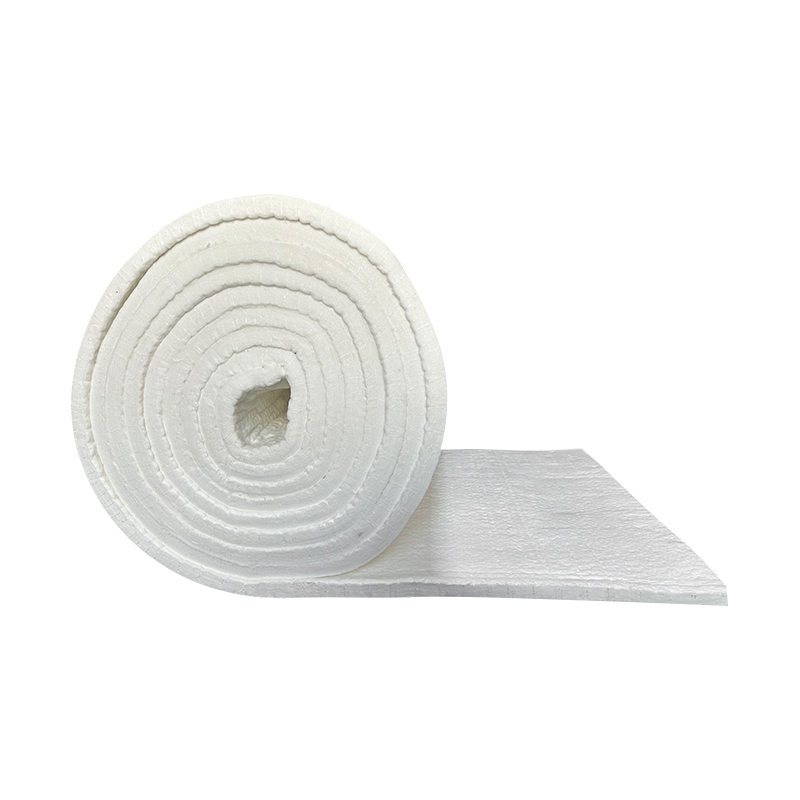
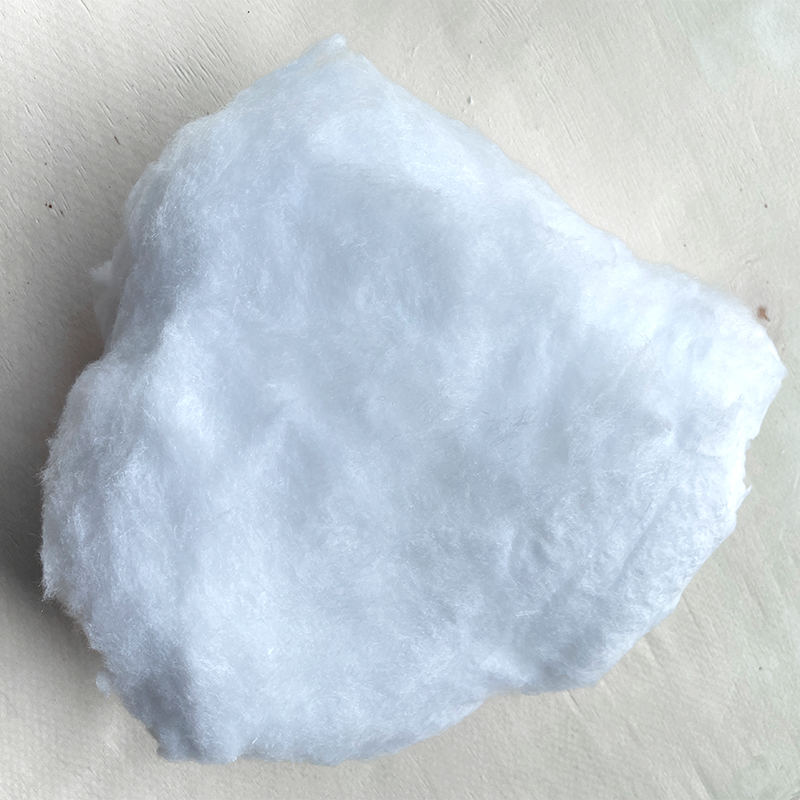

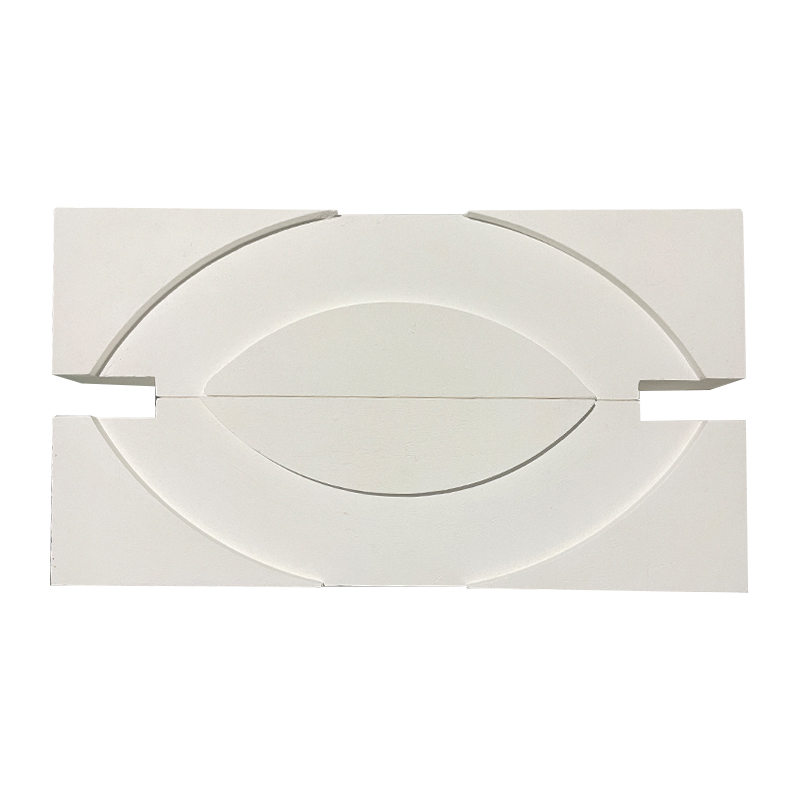
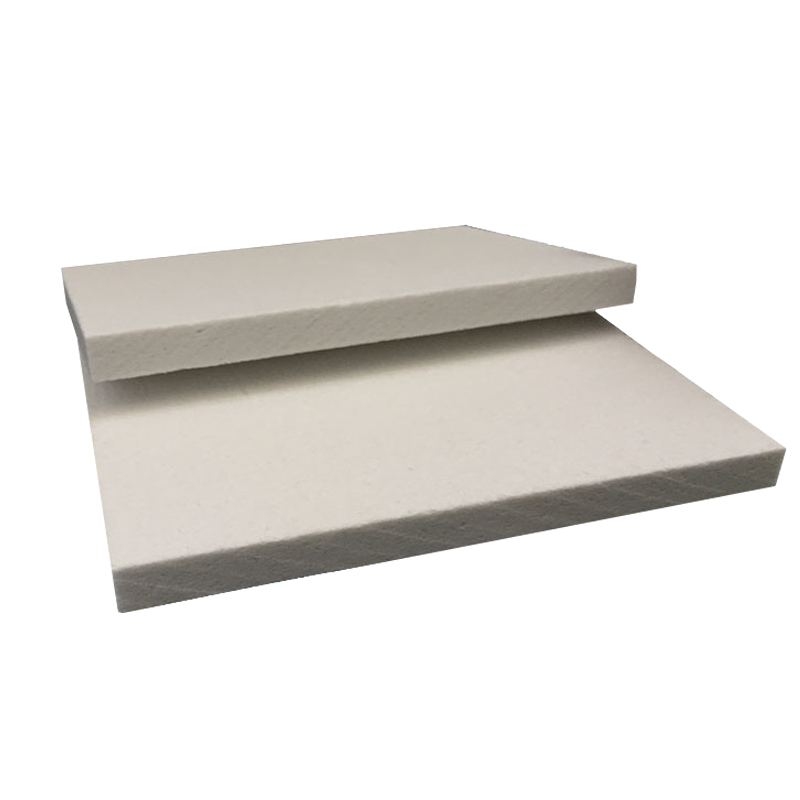

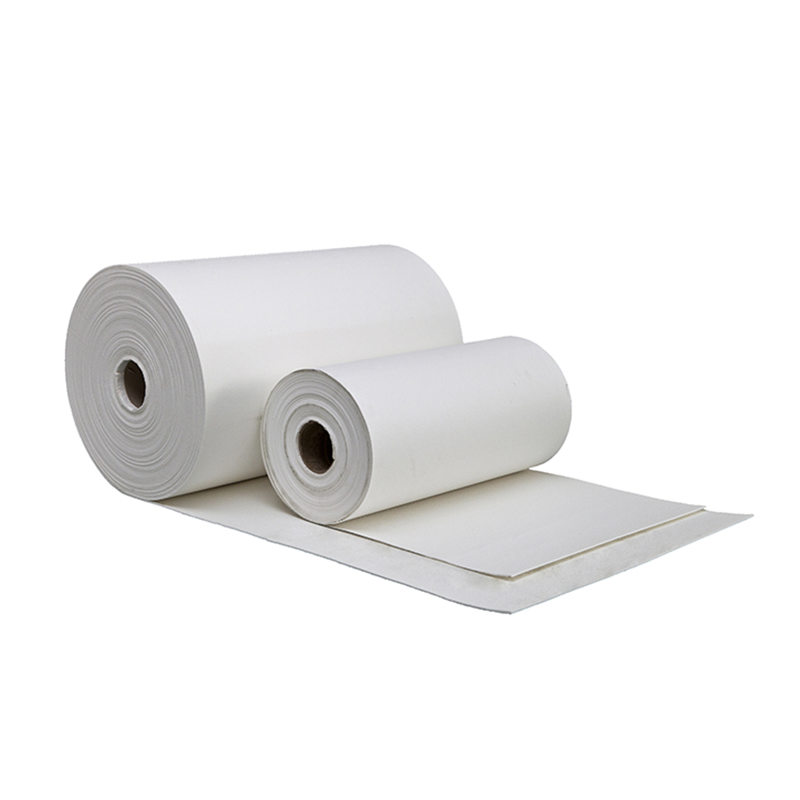
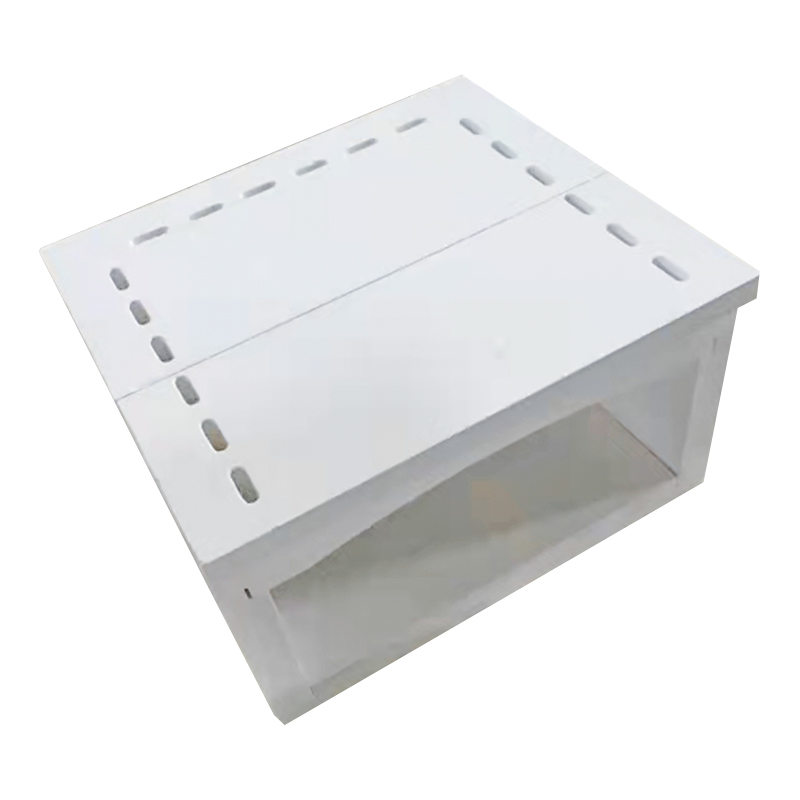
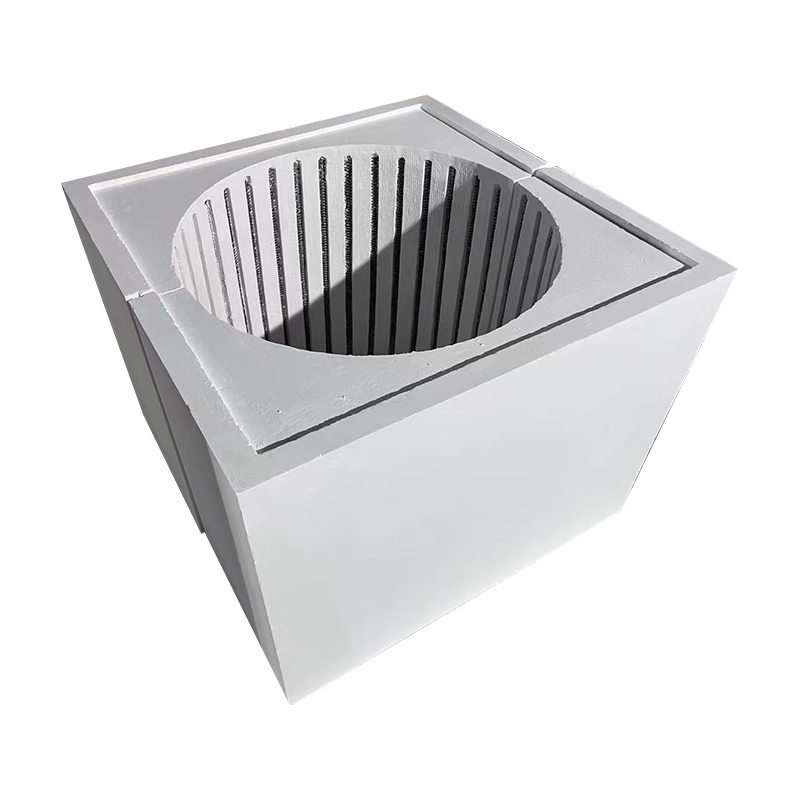
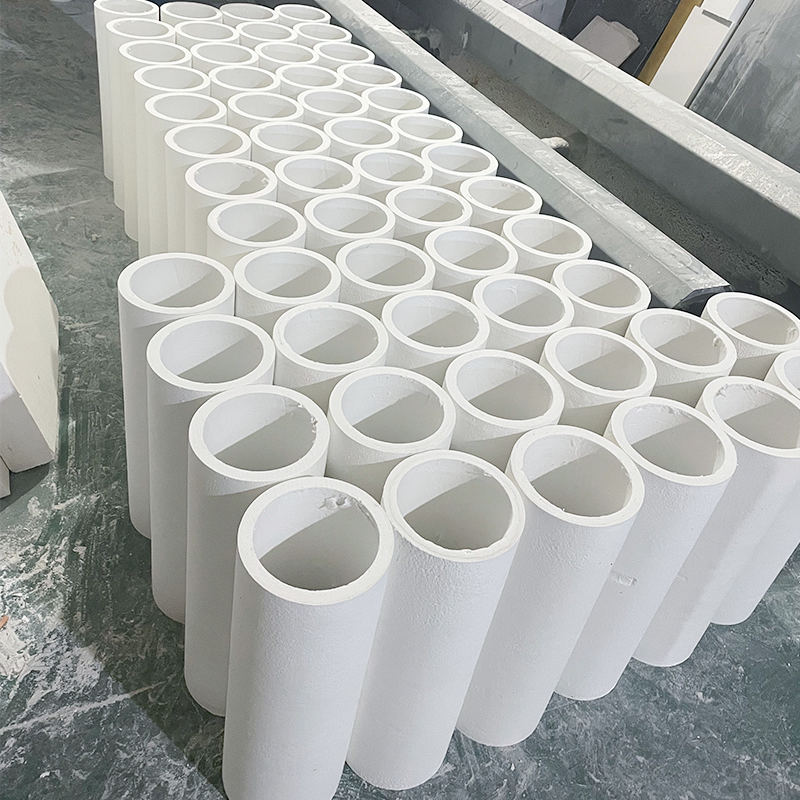
Specification
| Parameter | Value |
|---|---|
| Classification Temperature | 1500 °C – 1600 °C |
| Al₂O₃ Content | ≥ 72% |
| SiO₂ Content | ≈ 28% |
| Crystal Phase | Mullite (3Al₂O₃·2SiO₂) |
| Bulk Density (wool) | 80–180 kg/m³ |
| Blanket Thickness | 6 mm – 50 mm (standard) |
| Blanket Width | 600 mm / 1000 mm |
| Thermal Conductivity @ 1000 °C | ≤ 0.25 W/(m·K) |
| Permanent Linear Change @ 1500 °C / 24 h | ≤ 3% |
| Tensile Strength (blanket) | ≥ 60 kPa |
| Color | White |
Application
PMF blankets and wool are specified wherever temperatures exceed the 1300–1400 °C ceiling of standard aluminum silicate fibers:
- High-temperature industrial furnaces: hot-face lining in shuttle kilns, roller kilns, and continuous furnaces in the ceramics and electronics industries operating at 1450–1600 °C
- Petrochemical reformers & crackers: backup insulation on process tubes where skin temperatures approach 1500 °C
- Aerospace & military components: thermal protection tiles and ablative inserts in research test rigs
- Rare-earth calcination: inner lining of rotary kilns and box furnaces processing rare-earth oxides at 1500 °C+
- Glass fiber bushings: insulation wrap on platinum-alloy bushing blocks maintaining temperatures above 1400 °C
- Precast module cores: PMF wool compressed into folded modules gives 1600 °C-rated prefabricated furnace wall sections
Advantage
- 200–400 °C higher service ceiling than glass-state fibers: extends the operating window for next-generation high-temperature processes
- Crystalline stability: mullite phase does not undergo amorphous-to-crystalline transition during use — no sudden shrinkage or embrittlement
- Excellent thermal shock resistance: polycrystalline structure distributes micro-crack energy, preventing catastrophic fracture on rapid temperature changes
- Low creep rate: maintains dimensional accuracy under sustained load at elevated temperature, critical for shaped furnace linings
- Chemical inertness: resistant to reducing, oxidizing, and neutral atmospheres as well as most molten slags below 1600 °C
- Lightweight: bulk density of 80–180 kg/m³ versus 1600–2200 kg/m³ for refractory brick, cutting furnace shell load significantly