



 English
 Español
 عربى
عربى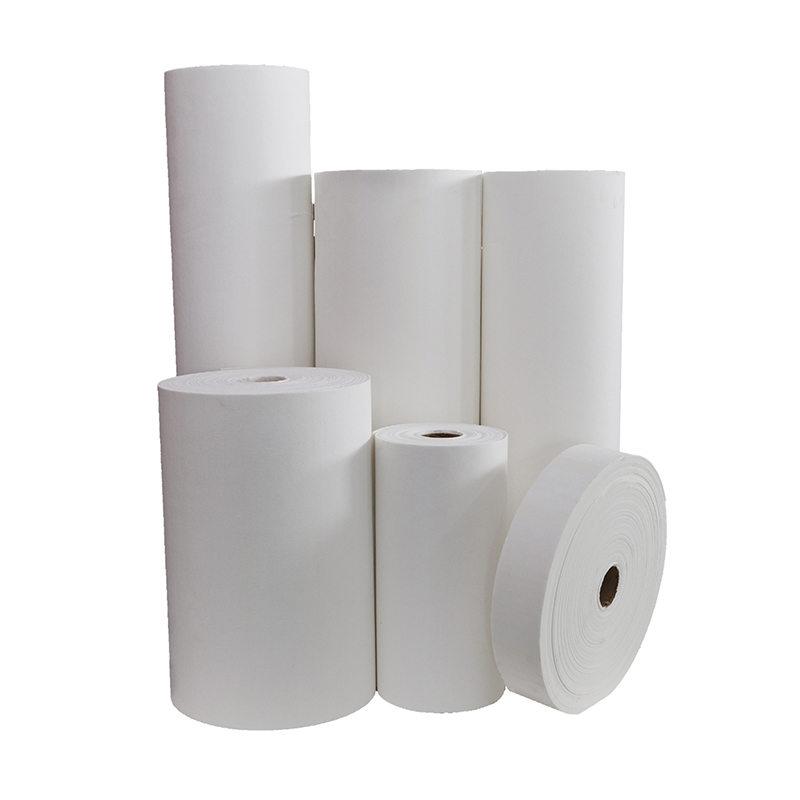
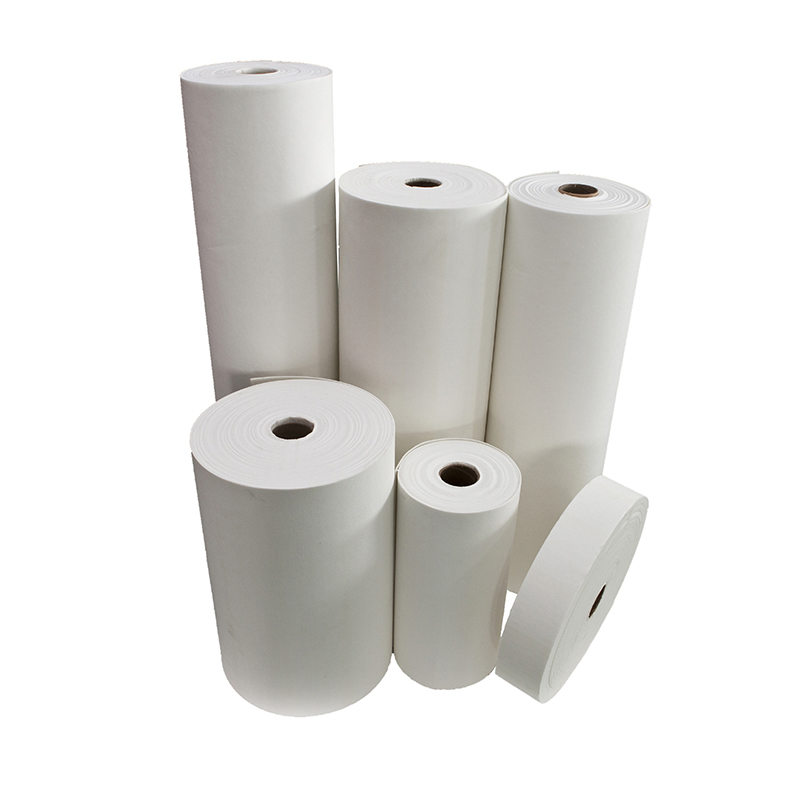
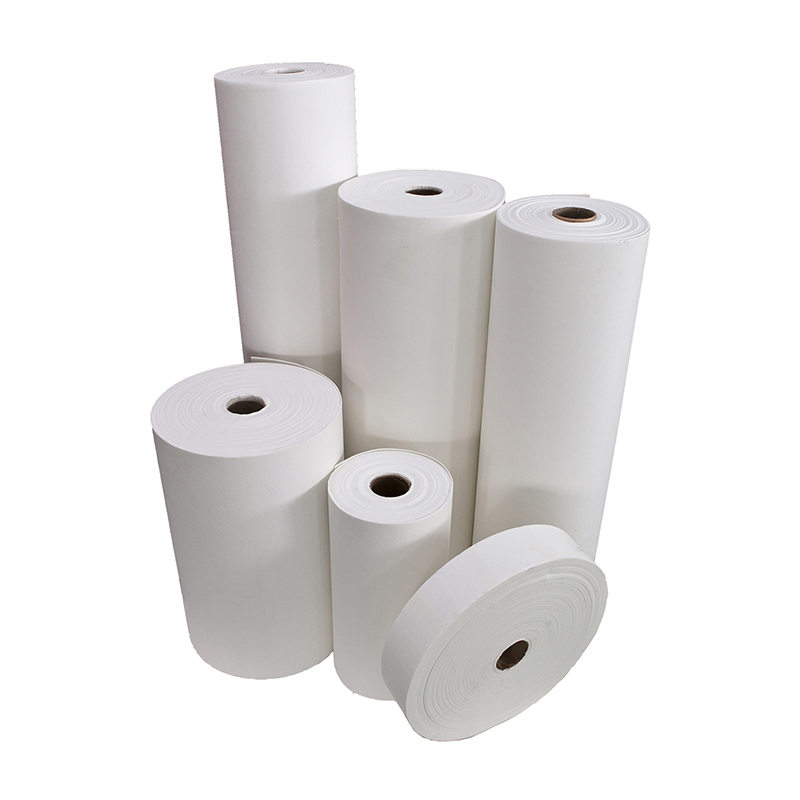
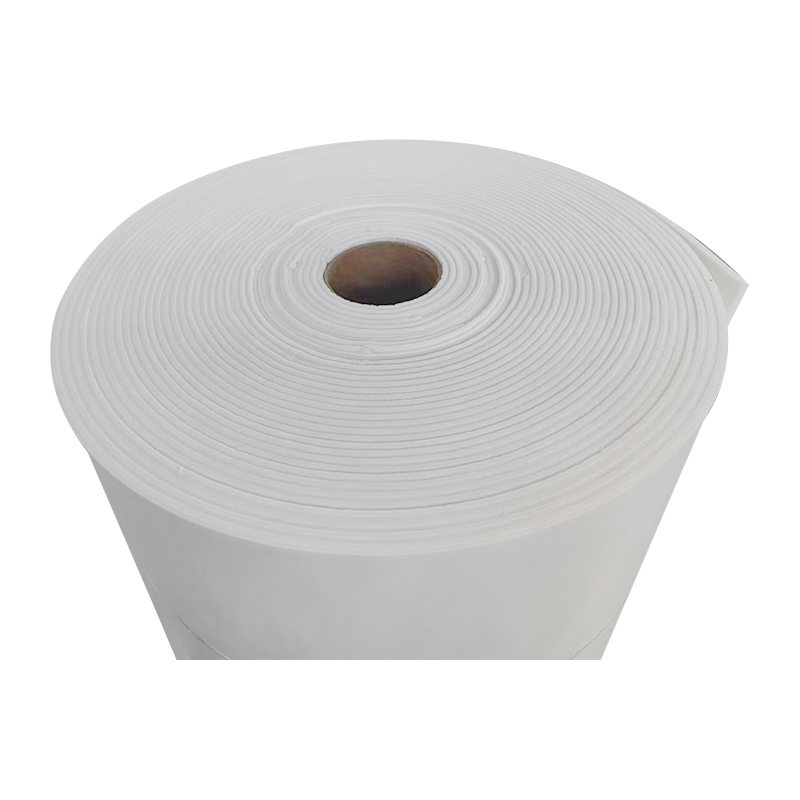
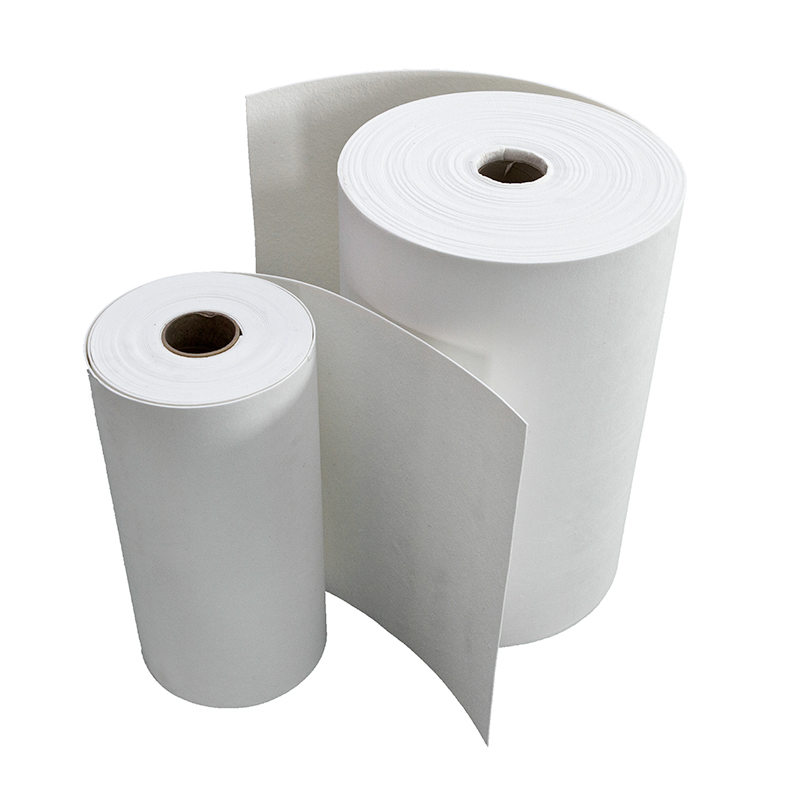
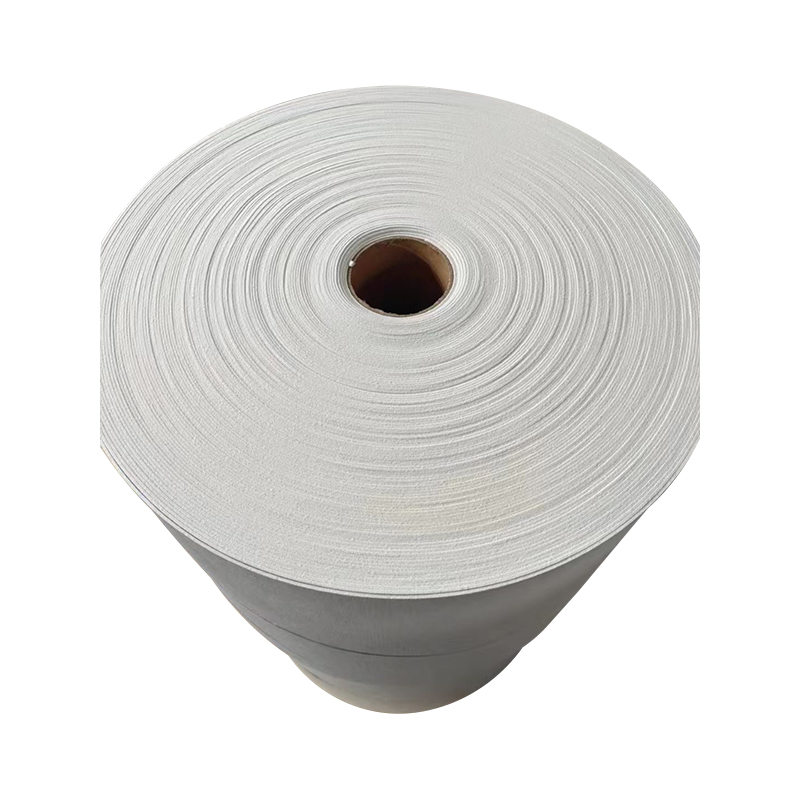
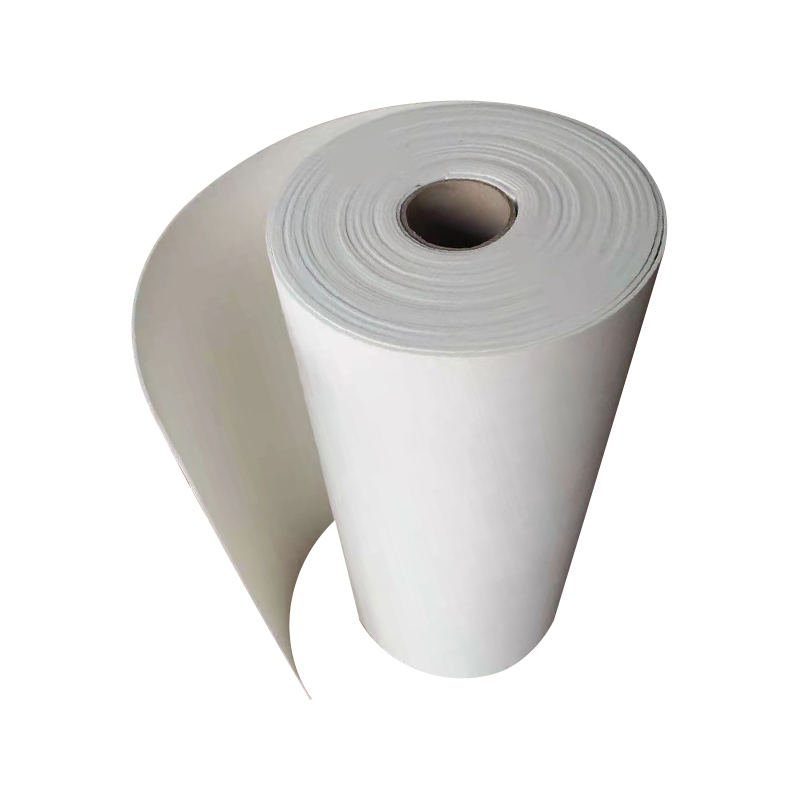
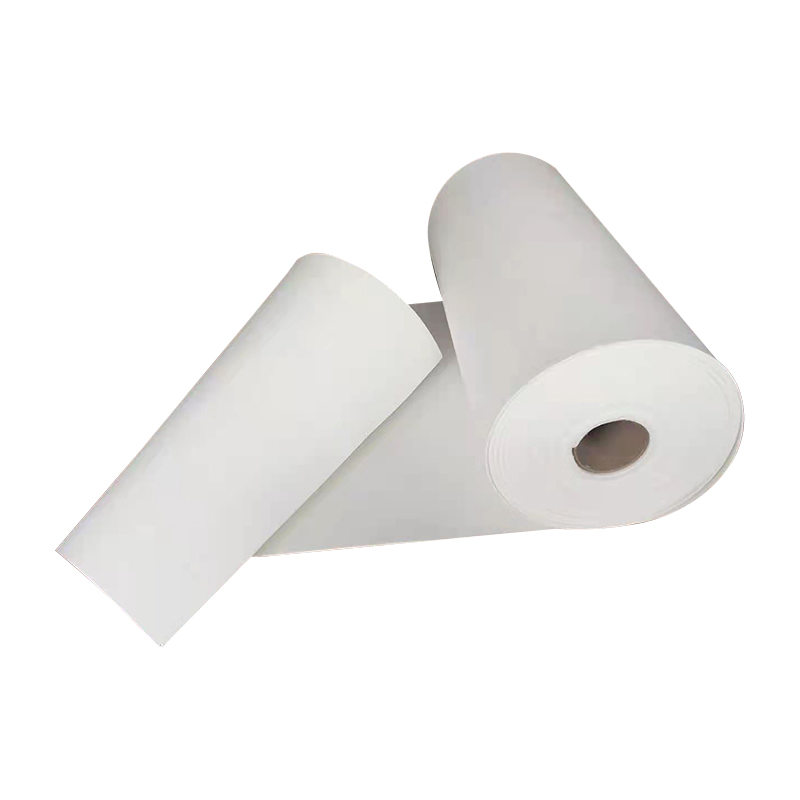
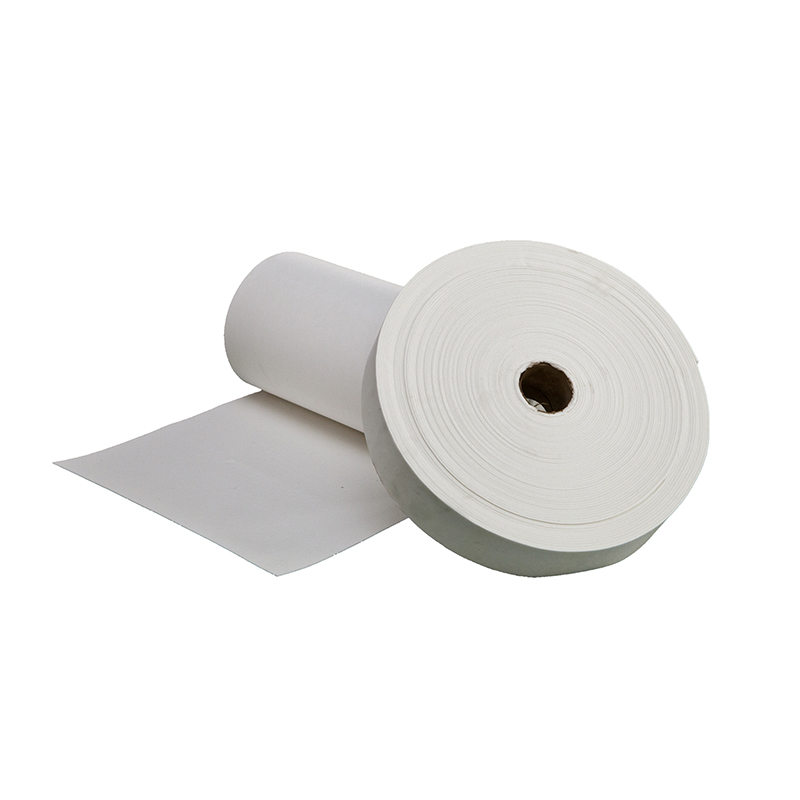
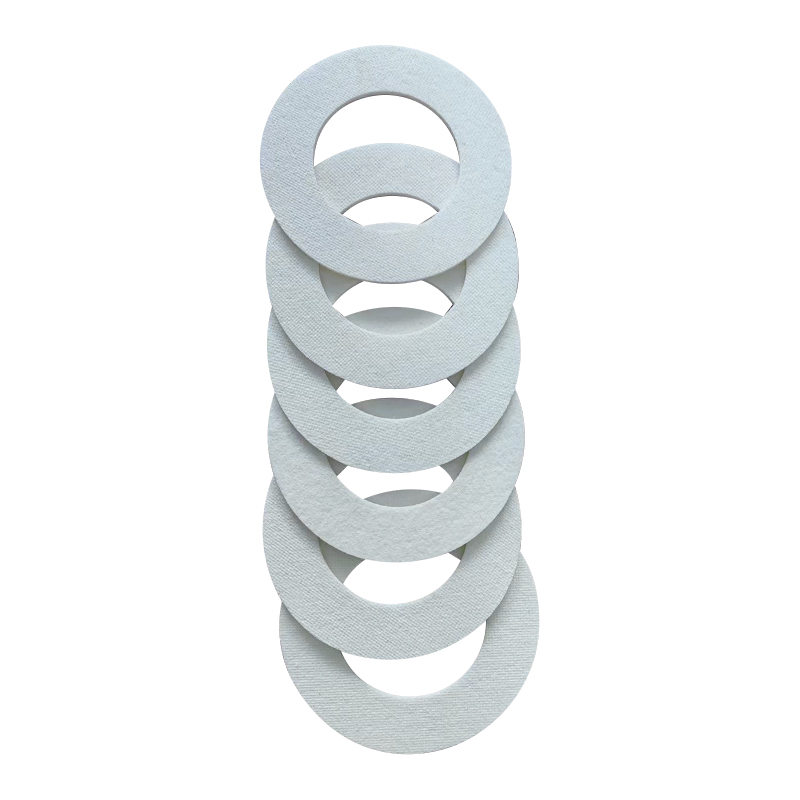
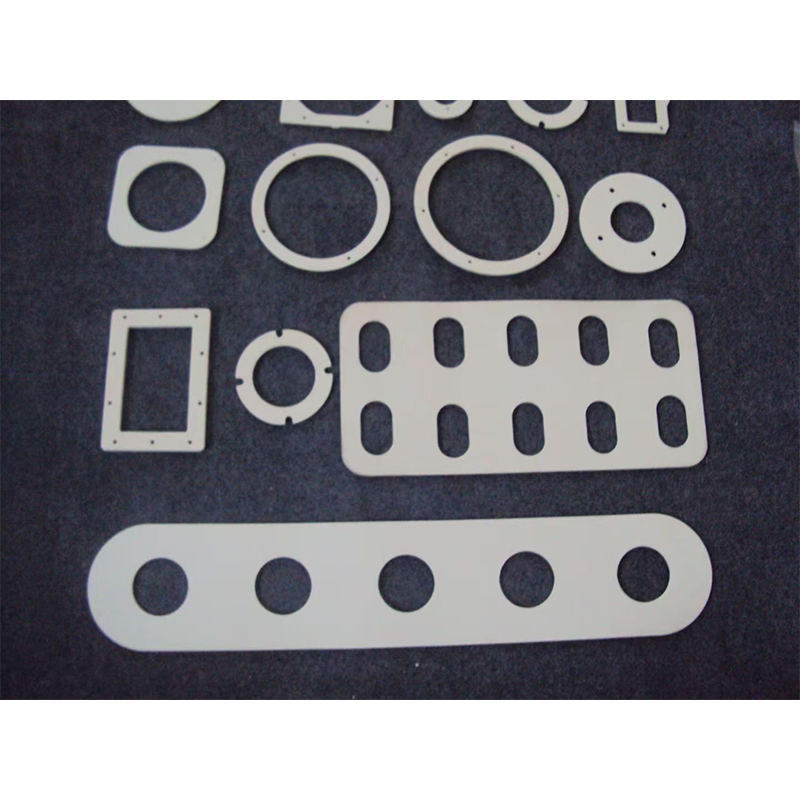
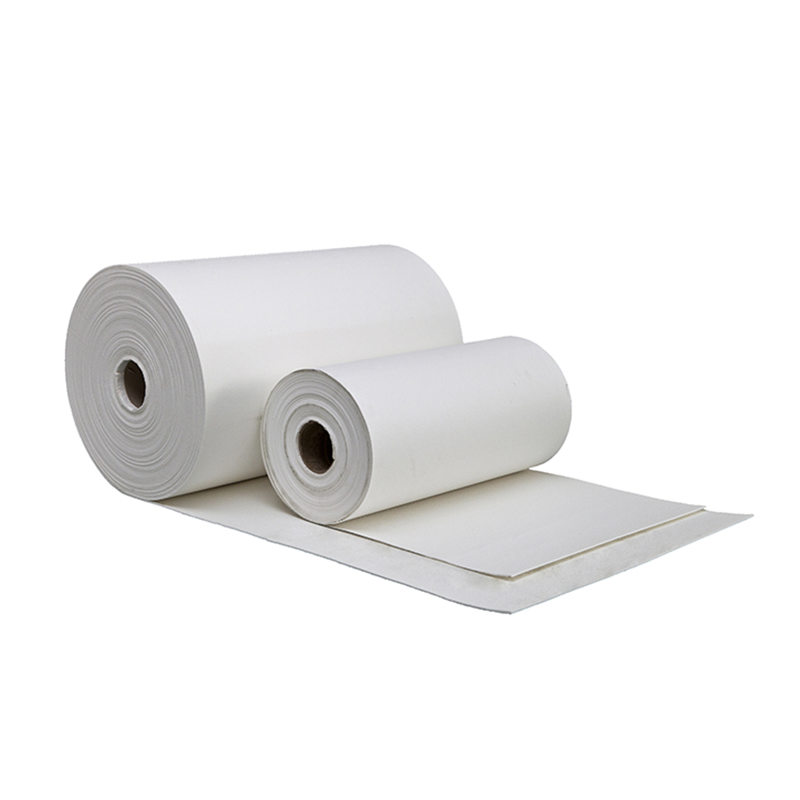
Alumina Ceramic Fiber Paper
Introduction
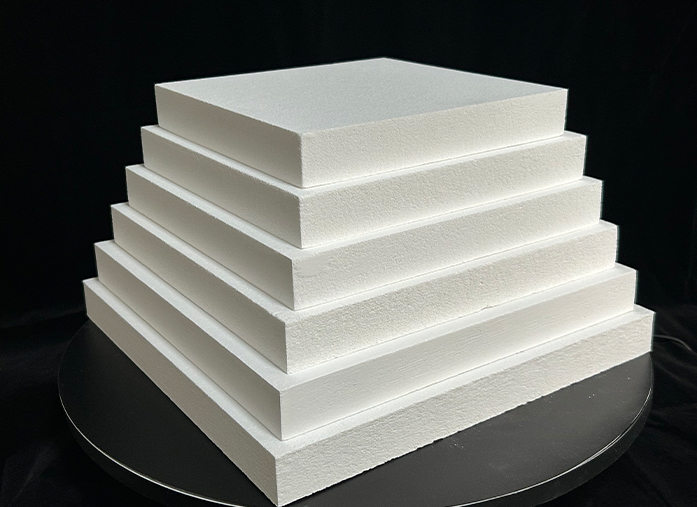
Product Description: NC fiber paper is mainly made from loose cotton as the main raw material, with a small amount of organic or inorganic binders added. It is refined through a wet forming process, and its precise manufacturing technology ensures uniform fiber diffusion and strict control of thickness and density. It has properties such as high temperature resistance, thermal shock resistance, chemical corrosion resistance, low thermal conductivity, and high temperature insulation. It can be easily carried by hand, is convenient for construction, and is suitable for deep processing.
Characteristics
The product features low thermal conductivity, heat impact resistance, high tear strength, high flexibility, good sound insulation performance, and low slag ball content.
Application
The product is used as sealing material for furnace doors and expansion joints; insulation and electrical insulating materials for heating devices in instruments and equipment; high temperature sealing gaskets; noise reduction and heat insulation materials for automotive mufflersand exhaust pipes; production models for decorative glass; high temperature insulation materialsfor various industrial furnacesand ladles with molten steel containersand infiltrating water nozzlesas well as asbestos substitutes.
Product Common Specifications
60000X 610X 1mm 30000X 610X 2mm
20000X 610X3mm 12000X 610X 5mm


|
Model |
NC1260 |
NC1400 |
Nc1430 |
|
Classification temperature(℃) |
1260 |
1400 |
1430 |
|
Density(KG/M3) |
180-220 |
180-220 |
180-220 |
|
Reheating Linear |
(1000℃x24h)<2.0 |
(1200℃×24h)<2.5 |
(1200℃×6h)<2.0 |
|
Organic matter content(%) |
<8 |
<8 |
<8 |
Note: The technical data determined by the testing standards used will, on average, fluctuate within a certain range; the data do not represent the product quality assurance data.
-
A 20-tonne Acheson graphitization furnace can hold full power for 24 to 40 hours and then need five to seven days of cooling before anyone opens it. Peak temperature is the headline number, but cost per tonne is decided by three quieter things: the furnace type, the condition of the insulation, and the shape of the power profile. Two shops running the same 2800 °C schedule can differ by 30 percent in kilowatt-hours per tonne. The gap is usually not the transformer. It is compressed graphite fel...

