



 English
 Español
 عربى
عربى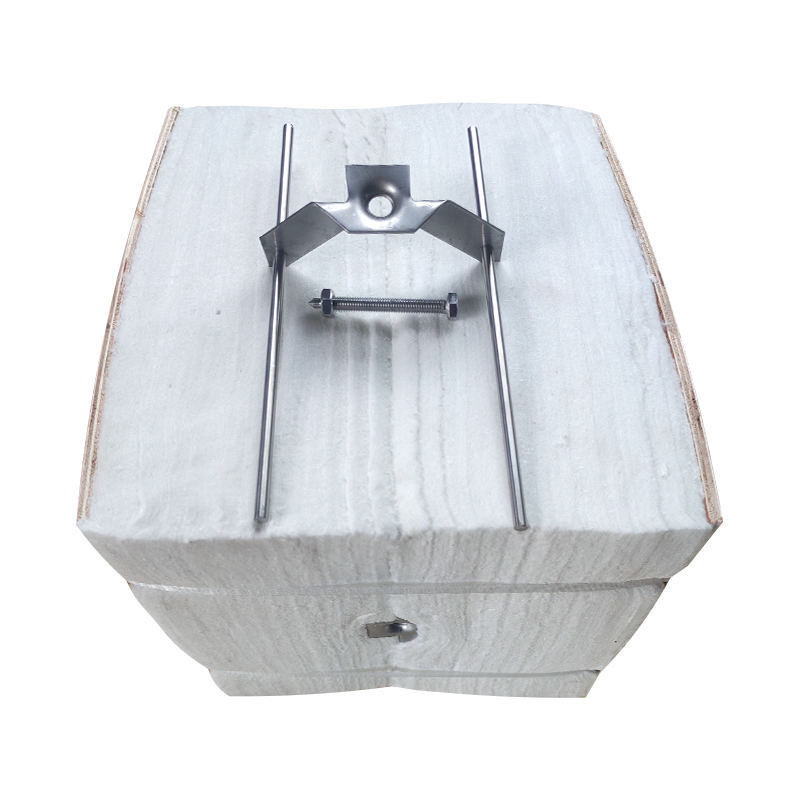
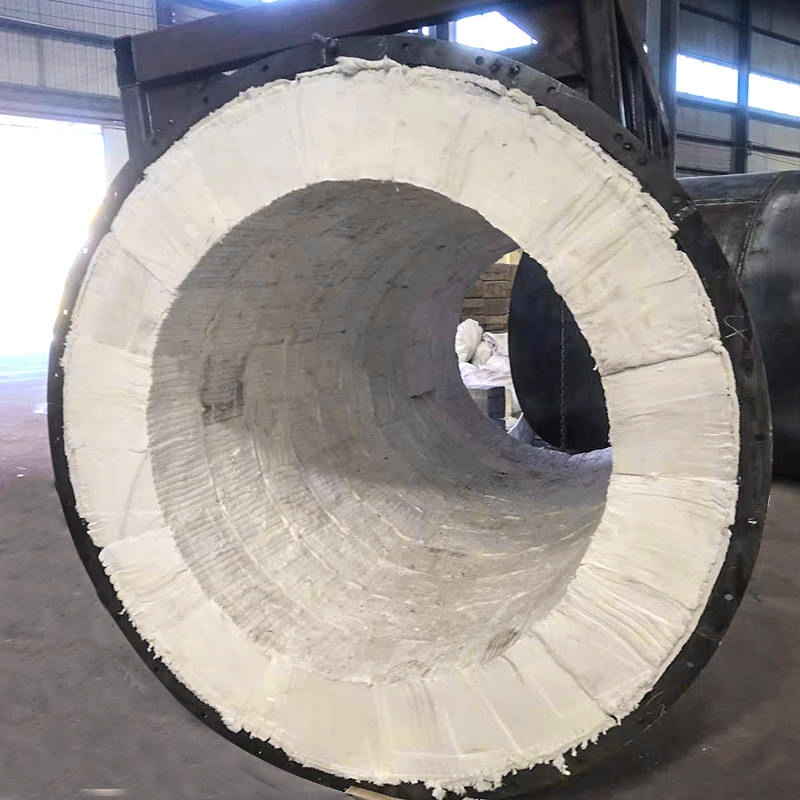
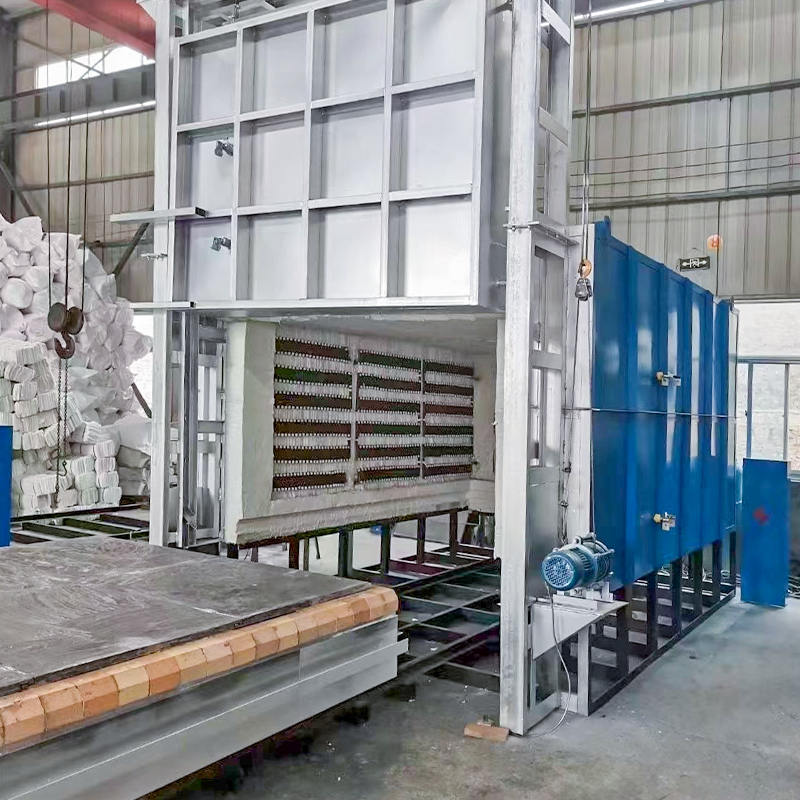

Ceramic Fiber Modules
Introduction
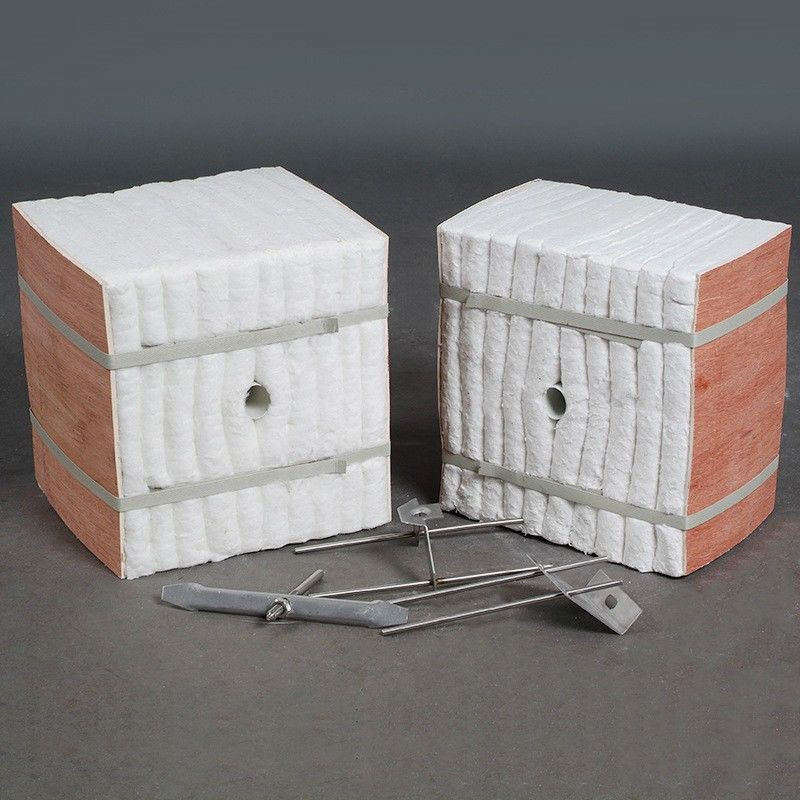
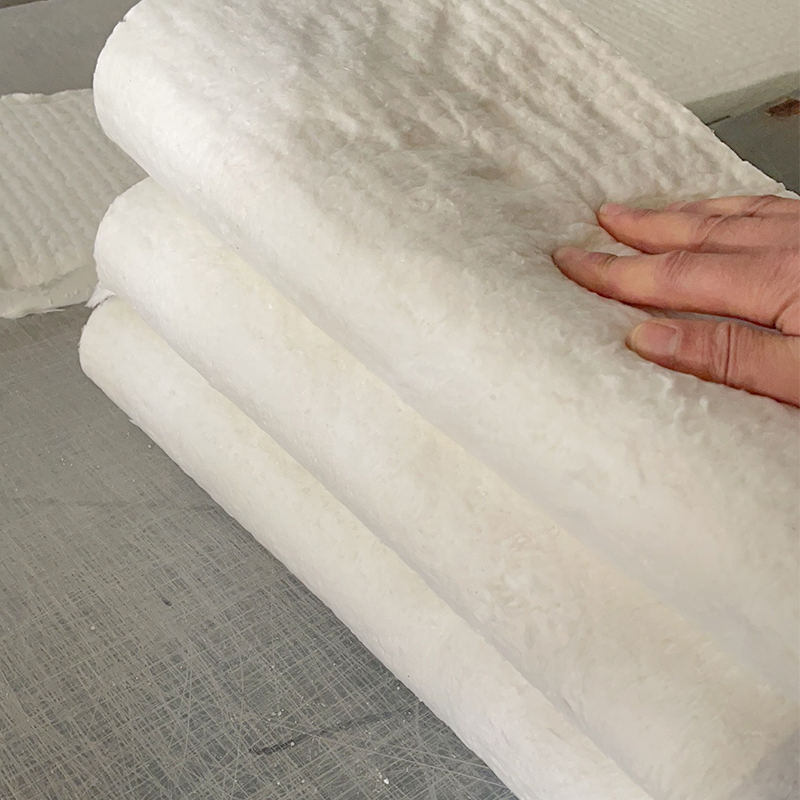
The NC ceramic fiber module is made of a ceramic fiber blanket, which is folded or cut by experienced professional technicians. It uses special equipment for producing modules to confirm the precise dimensions and keep a smooth surface module, designed for various thermal furnaces. The products have some characteristics, such as reliable quality, quick installation, and superior insulation properties.
The NC ceramic fiber module uses the enhanced M-type anchors, which have greater strength, closer to the cold face. It can ensure strength in high temperatures. The fixed link was welded together with high-quality heat-resistant steel and a stamped butterfly plate. The two round fixed links were embedded in the module system, enlarged the bearing area, and ensured the firmness of the anchor system.
Characteristics
low bulk density, low thermal conductivity; Resistance to heat-shock, ability to resist the scouring of airflow. Excellent chemical strength; built-in anchor, safety
performance; Easy to install, after installing the lining forms a seamless space, good insulation effect.
Application
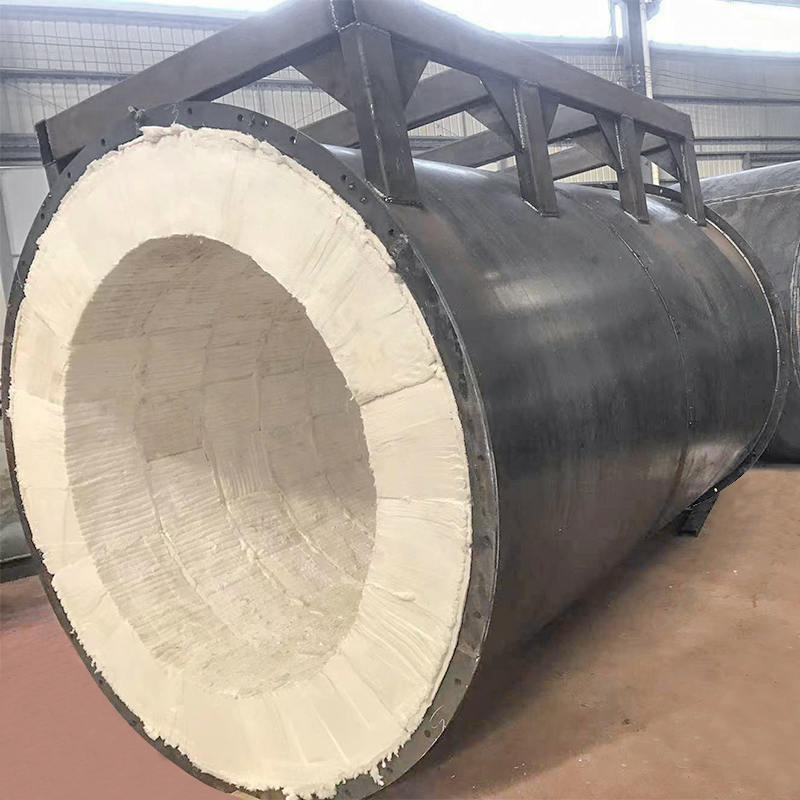
Tunnel kiln, shuttle kiln, roller kiln; Atmospheric furnace, transforming furnace, coking furnace, cracking furnace, flue, etc; Ladle cover, annealing furnace, rotary
furnace, bell furnace, walking beam furnace, hot air and fluepipes, etc; Waste incinerators, RTO exhaust treatment furnace, SCR environmental catalytic stove, etc.
Product Common Specifications
(300-600)*300*(150-300)mm Other specifications according to customer's inquires.


|
Model |
NC1260 |
NC1350 |
NC1400 |
NC1430 |
NC1600 |
|
|
Classification temperature(℃) |
1260 |
1350 |
1400 |
1430 |
1600 |
|
|
Reheating linear change(%)192kg/m3/at()℃(24H) |
≤1.5(1000℃) |
≤1.3(1100℃) |
≤1.3(1200℃) |
≤1.5(1250℃) |
≤1.2(1450℃) |
|
|
Volume density(KG/m³) |
180-260 |
180-260 |
180-260 |
180-260 |
180-260 |
|
|
|
400℃ |
0.08 |
0.08 |
0.08 |
0.08 |
|
|
600℃ |
0.12 |
0.12 |
0.12 |
0.12 |
0.12 |
|
|
800℃ |
0.18 |
0.18 |
0.18 |
0.18 |
0.18 |
|
|
1000℃ |
0.25 |
0.25 |
0.25 |
0.25 |
0.25 |
|
|
1200℃ |
|
|
0.3 |
0.3 |
0.34 |
|
|
Chermical |
Al₂O₃ |
45-49 |
52-55 |
54-57 |
35-38 |
72-75 |
|
Al₂O₃+SiO₂ |
99 |
99 |
99 |
99 |
99 |
|
|
ZrO₃ |
|
|
|
15-17 |
|
|
|
Other |
1 |
1 |
1 |
1 |
1 |
|
Note: The technical data determined by the testing standards used will, on average, fluctuate within a certain range; the data do not represent the product quality assurance data.
-
A 20-tonne Acheson graphitization furnace can hold full power for 24 to 40 hours and then need five to seven days of cooling before anyone opens it. Peak temperature is the headline number, but cost per tonne is decided by three quieter things: the furnace type, the condition of the insulation, and the shape of the power profile. Two shops running the same 2800 °C schedule can differ by 30 percent in kilowatt-hours per tonne. The gap is usually not the transformer. It is compressed graphite fel...

