E-mail: ncjt@zjncjt.com


Industrial furnaces, heat treatment related key heating parts and instruments
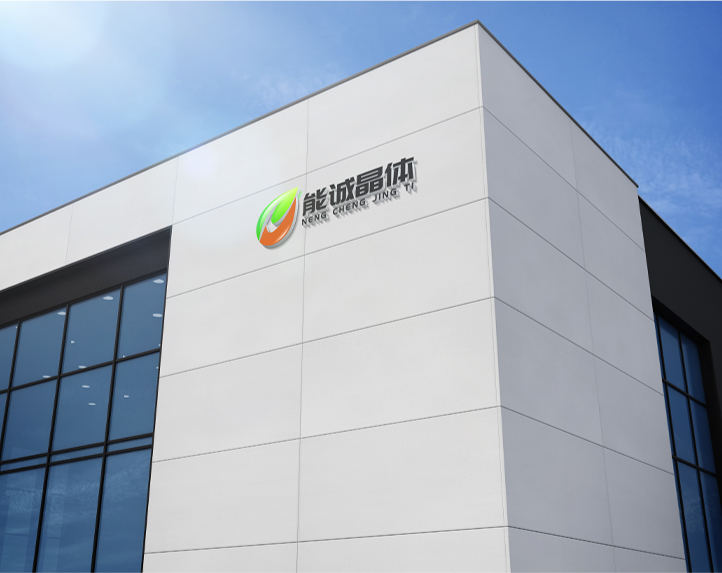
Zhejiang Nengcheng Crystal Fiber Co., Ltd. is an Accessories manufacturer operating from Deqing, Zhejiang, China. Established in 2015, the company develops and produces ultra-lightweight energy-saving high-temperature materials, supplies experimental and industrial electric furnaces, and manufactures the heating elements and furnace spare parts those systems depend on.
Every element in this range is specified with the same process data we use when we build a complete Industrial Furnace: working temperature, atmosphere, hot-zone dimensions, voltage and control method. The result is a heating component sized for the kiln, not just a catalogue part.
The Accessories category covers key heating parts and instruments for industrial furnaces and heat-treatment equipment. Our current production range includes two heating element families, each matched to a different combination of temperature, atmosphere and service-life expectation.
| Accessory | Temperature Fit | Core Properties | Typical Applications |
|---|---|---|---|
| MoSi2 heating elements | 500–1700°C operating range; usable to 1800°C in oxidizing atmosphere | Self-forming SiO2 glass film resists oxidation at high temperature | Ceramics, magnet, glass, metallurgy, refractory, laboratory furnaces |
| SiC heating elements | High applied temperature in electric furnaces and heating devices | Anti-oxidation, anti-corrosion, long life, little deformation; resistivity 1000–4000 Ω·cm, flexural strength ≥25 MPa | Magnet, ceramics, powder metallurgy, glass, metallurgy, machinery |
MoSi2 elements are resistance heating components made from molybdenum disilicide. At high temperature in an oxidizing atmosphere, the element surface forms a light SiO2 glass film that protects the material from oxidation, giving this family its characteristic resistance to high-temperature oxidation.
We supply MoSi2 elements for furnaces in the applicable range of 500–1700°C, with a maximum of 1800°C in oxidizing conditions. Typical duties include ceramic sintering, magnet heat treatment, glass processing, metallurgical heating and refractory production. Element shapes and ordering details are described under Mosi2 Heating Elements.
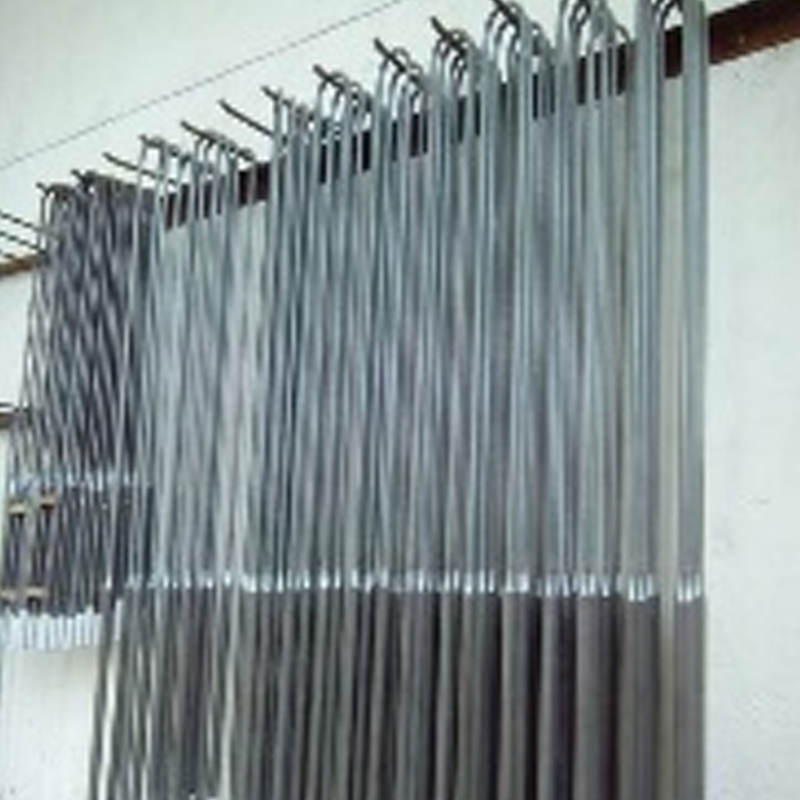
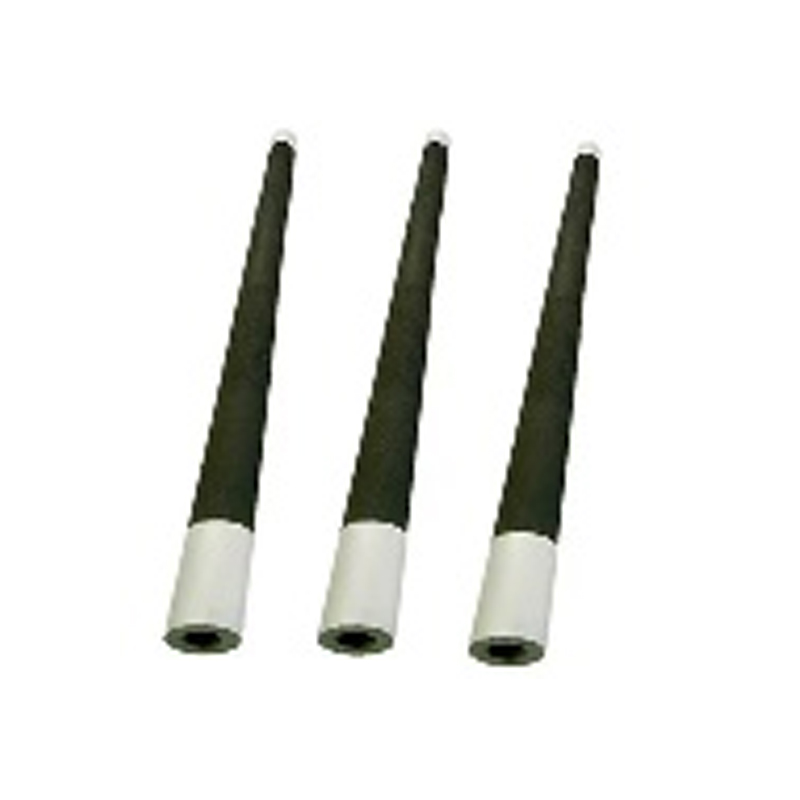
SiC elements are non-metal high-temperature electric heating elements produced from selected super quality green silicon carbide. The material is formed into blanks, solidified at high temperature and recrystallized. Compared with metal elements, SiC elements offer high applied temperature, anti-oxidation, anti-corrosion, long service life, little deformation, and easy installation and maintenance.
Our SiC elements are supplied with resistivity of 1000–4000 Ω·cm and flexural strength ≥25 MPa. They are widely used in high-temperature electric furnaces and heating devices in the magnet, ceramics, powder metallurgy, glass, metallurgy and machinery industries. Custom geometries are manufactured in-house; see Custom SiC Heating Elements Factory for the production scope.
We supply high-temperature equipment and accessories to customers in ceramics, metallurgy, electronics, glass and chemical engineering, and provide powder roasting, ceramic sintering and high-temperature experimental services to universities, research institutes and industrial and mining enterprises. Application experience also extends to rare earth, semiconductors, photovoltaics, casting, smelting, medical treatment, magnetism and coatings.
Within that spread, the element choice follows the process:
A heating element cannot be defined by temperature rating alone. Every proposal we prepare covers the geometry, electrical values and mounting details that determine whether the element performs reliably in your furnace:
For an existing furnace, we can work from drawings, photographs or a sample element. For a new furnace, the element set can be engineered together with the furnace body and insulation, removing the interface problems that appear when heating elements and refractory materials are sourced separately.
The factory implements ISO9001 and CE quality management systems. We carry out corresponding inspections after each production process, and finished heating elements receive full inspection according to customer requirements and international standards before release.
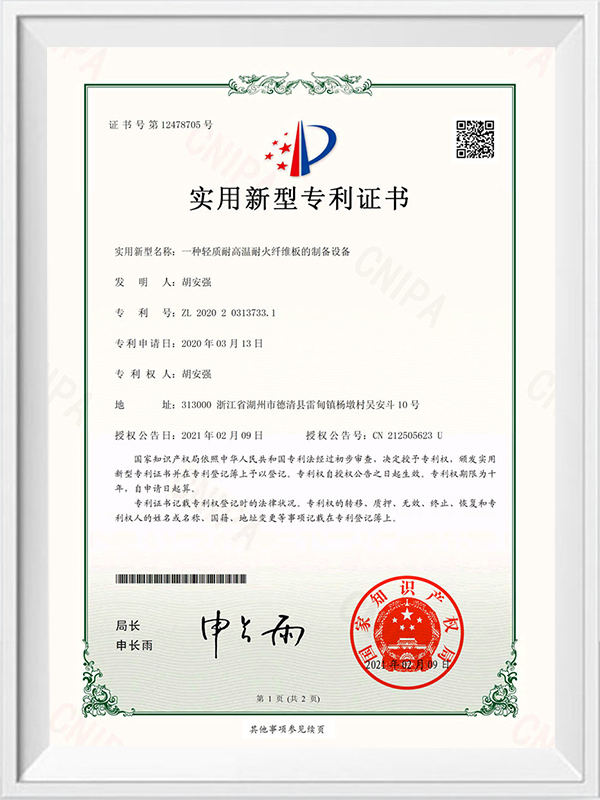
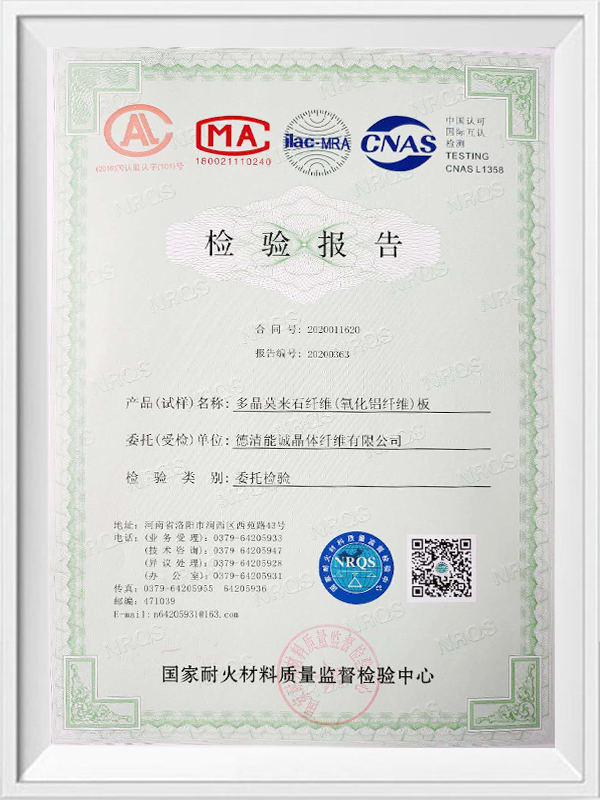
The high-temperature product line is supported by inspection reports and utility model patents kept on file. When a project requires defined acceptance testing, we agree the test plan, measurement points and report format before production begins.
To prepare an accurate configuration and quotation, our engineering team starts from the following project data:
| Project Data | How We Use It |
|---|---|
| Furnace type, brand or kiln construction drawing | Defines the element family, geometry, mounting and feed-through layout. |
| Maximum operating temperature and working atmosphere | Selects MoSi2 or SiC and fixes the allowable surface load. |
| Hot-zone dimensions (length, width, height) | Determines element count, spacing and leg dimensions. |
| Connection voltage, phase or transformer taps | Sizes resistance, terminal shank and bus-bar connection. |
| Heating zone count and control mode | Sets element grouping, lead arrangement and protective devices. |
| Quantity, spares and delivery target | Plans batch production, packing and shipping scope. |
| Required inspection or certification documents | Defines the quality dossier shipped with the order. |
For replacement orders, drawings or photographs of the existing element, terminal position and insulation layout are enough to begin. We also coordinate accessory and consumable supply with furnace repair, modification and relocation projects for vacuum and atmosphere furnaces.
What is the difference between MoSi2 and SiC heating elements?
MoSi2 elements form a self-protecting SiO2 glass film and are preferred for oxidizing atmospheres at element temperatures up to 1800°C. SiC elements are recrystallized green silicon carbide with high applied temperature, corrosion resistance, long service life and little deformation. The right family depends on furnace atmosphere, temperature and duty cycle.
Can you supply replacement elements for a furnace from another manufacturer?
Yes. Send us the furnace type, hot-zone dimensions, operating temperature and atmosphere, connection voltage, and drawings or photographs of the existing elements. We match the geometry, resistance and terminal arrangement, and we will point out any layout change that would extend service life.
What temperature can MoSi2 elements reach?
MoSi2 elements are used at up to 1800°C in an oxidizing atmosphere, within an applicable operating range of 500–1700°C. The self-forming SiO2 glass film protects the element against oxidation through the whole range.
What quality documentation comes with element shipments?
The factory implements ISO9001 and CE quality management systems. Inspections are performed after each process, and finished elements are fully inspected according to customer requirements and international standards. Inspection reports and patent documentation for the high-temperature product line are provided with the order.
Do you supply furnace accessories beyond heating elements?
Alongside MoSi2 and SiC heating elements, we support furnace repair, modification and relocation projects with accessories and consumables for vacuum and atmosphere furnaces. Because the same factory produces ceramic fiber insulation and refractory materials, we can also supply matched hot-face and back-up insulation for the element zone.
What information is needed for a quotation?
Furnace type or kiln design, maximum operating temperature, working atmosphere, hot-zone dimensions, connection voltage and phase, number of heating zones, target element shape, quantity, spares and delivery target. For replacement sets, drawings or photographs of the current element speed up the configuration.

An enterprise integrating design, R&D, production, sales and engineering services. Industrial Heating Elements Manufacturers and Industrial Furnace Spare Parts And Accessories Factory.
Phone: +86-13967261180
+86-17858398898
Email: ncjt@zjncjt.com
Arlen@zjncjt.com
Tel: +86-572-8295956
Add: Wulintou, Tangbei Village, Leidian Town, Deqing Country, Huzhou City, Zhejiang Province, China
Copyright © 2024 Zhejiang Nengcheng Crystal Fiber Co., Ltd. All Rights Reserved.

 English
 Español
 عربى
عربى