E-mail: ncjt@zjncjt.com


Thermal insulation materials are used to prevent heat transfer and have a wide range of applications, including high- and low-temperature insulation (such as in construction and refrigeration). They have lower thermal conductivity (e.g., aerogel, <0.02 W/m·K).
Insulation materials are used to reduce heat loss at high temperatures (e.g., industrial furnaces and boilers). They typically have a low thermal conductivity (<0.1 W/m·K) and are resistant to high temperatures (500°C to 2000°C).
Some materials (e.g., aerogel and ceramic fiber) can be used for both insulation and heat preservation, depending on the application.
As a Thermal Insulation Materials manufacturer, we match product configuration to the application, operating limits, interfaces and acceptance criteria defined for each project.
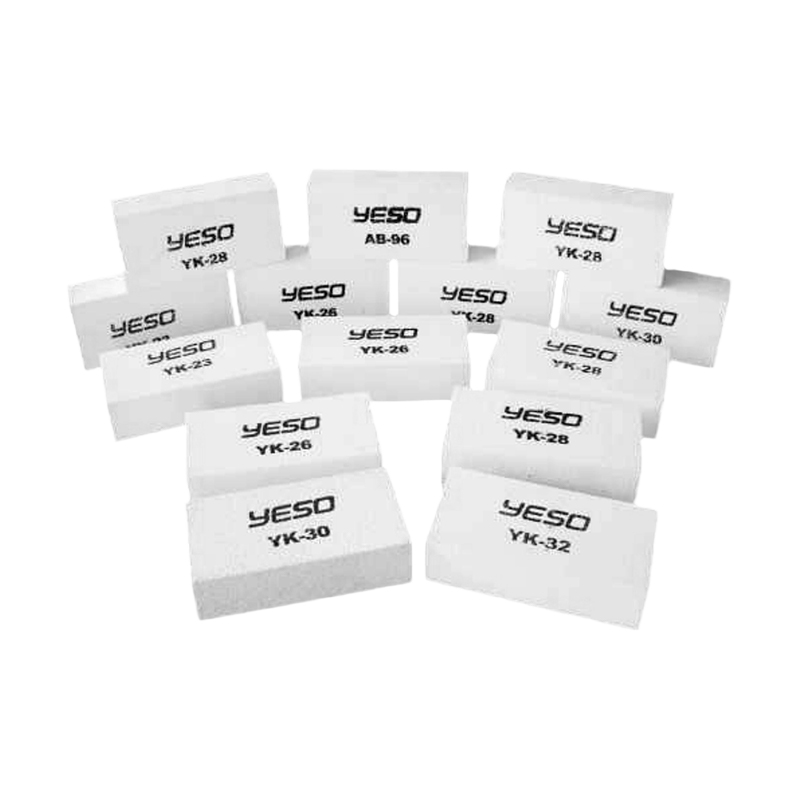
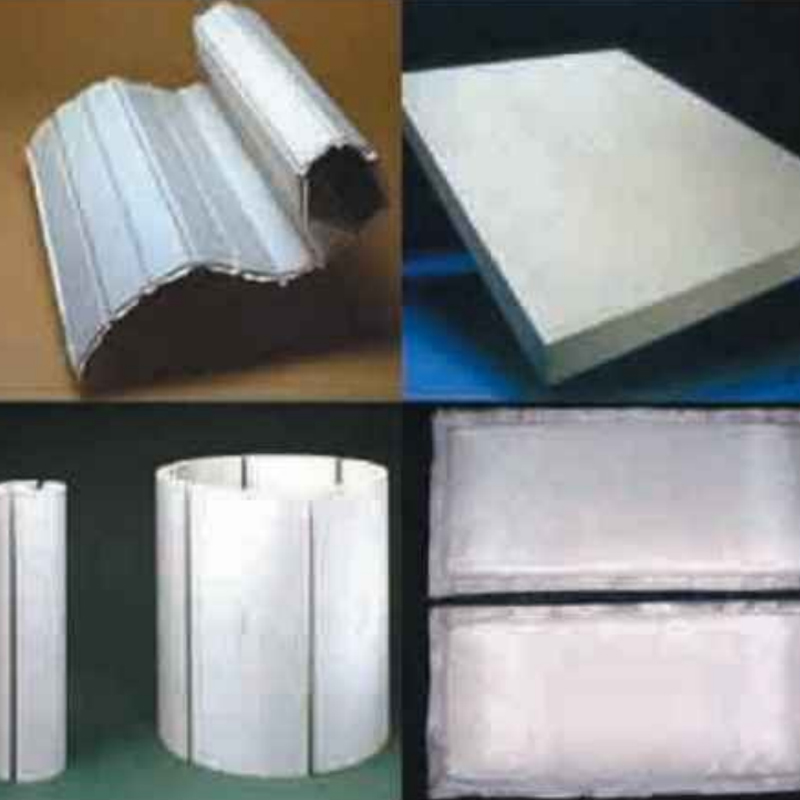
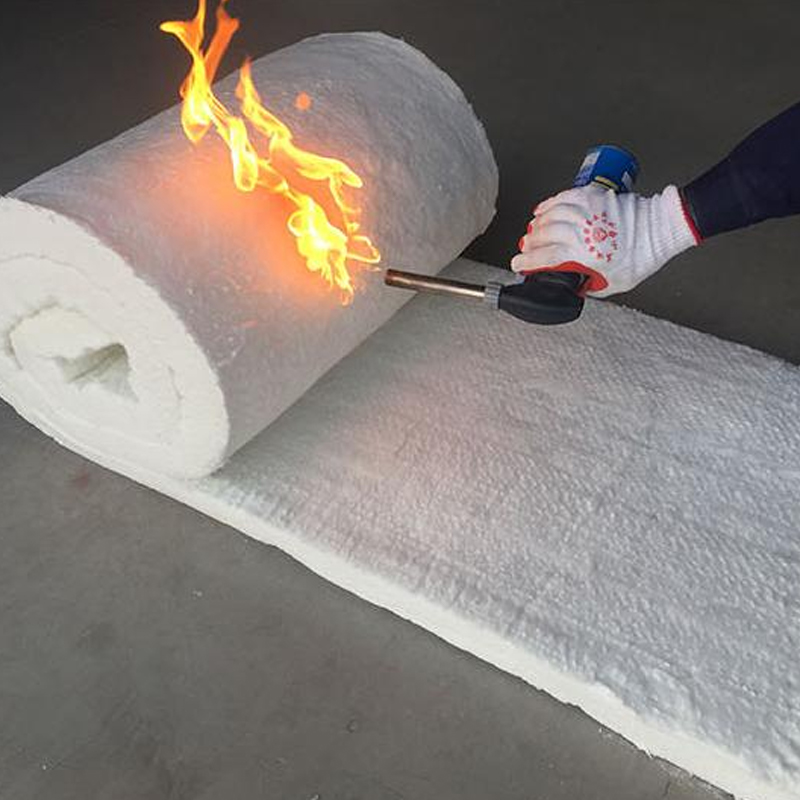
Zhejiang Nengcheng Crystal Fiber Co., Ltd. is a Thermal Insulation Materials manufacturer and supplier based in Zhejiang, China. Since 2015, we have focused on ultra-lightweight, energy-saving refractory fiber products for industrial furnaces, kilns, and high-temperature process equipment. Our range covers ceramic fiber cotton, boards, blankets, modules, paper, tubes, and polycrystalline mullite fiber products, all engineered to reduce heat loss, improve temperature uniformity, and extend equipment service life.
We serve ceramics, metallurgy, electronics, glass, chemical, and research sectors, providing both standard products and custom-shaped insulation components. Our engineering team works directly with your drawings and process parameters to deliver a lining system that matches your thermal, mechanical, and budget requirements.
We manufacture a complete family of refractory fiber products, each designed for specific temperature zones and installation methods. The table below summarizes our main product lines and where they fit.
| Product | Temperature Range | Typical Forms | Primary Applications |
|---|---|---|---|
| Ceramic Fiber Cotton | 1260°C – 1600°C | Loose wool, bulk | Furnace lining fill, expansion joints, small-corner insulation, raw material for further processing |
| Ceramic Fiber Blankets / Felt | 1260°C – 1430°C | Rolls, sheets | Layered furnace linings, kiln car insulation, removable covers, pipe insulation |
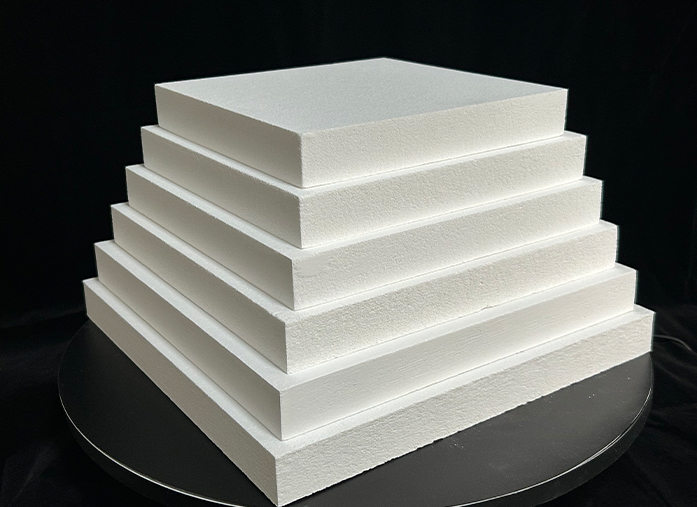
| Alumina Ceramic Fiber Board | Up to 1600°C | Rigid boards, custom shapes | Back-up insulation, furnace door linings, electrical resistance furnace insulation |
| Ceramic Fiber Modules | 1260°C – 1600°C | Pre-folded blocks, veneer modules | Rapid-install furnace linings, shuttle kilns, tunnel kilns, furnace doors |
| Polycrystalline Mullite Fiber Cotton | 1500°C – 1700°C | Loose cotton, vacuum-formed blocks | Ultra-high-temperature furnaces, vacuum furnace insulation, aerospace and military applications |
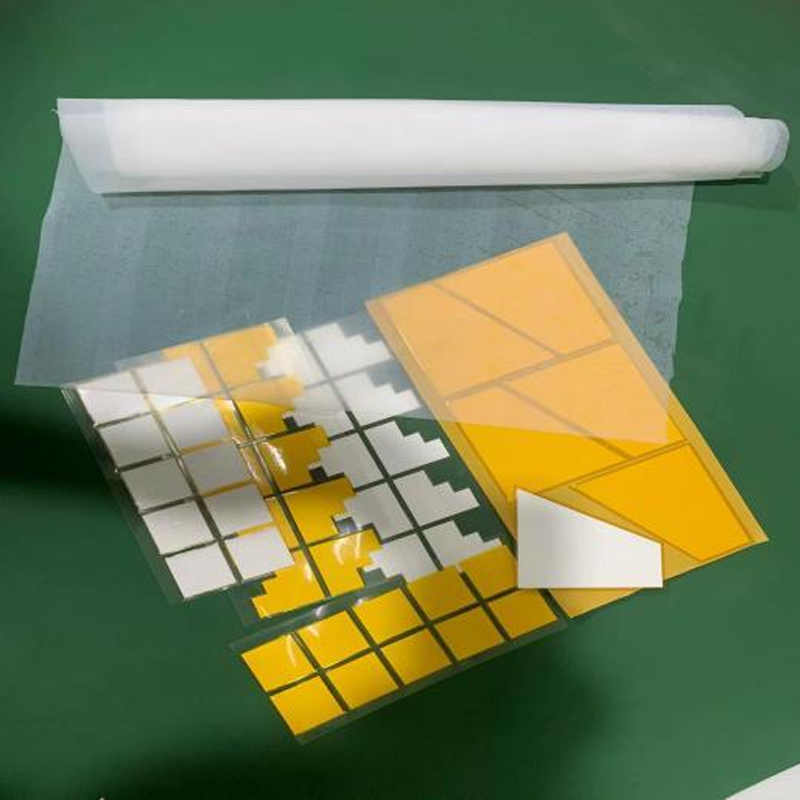
| Ceramic Fiber Paper / Tube | Up to 1430°C | Thin sheets, cylindrical tubes | Gaskets, thermal barriers, thermocouple protection, small-diameter insulation |
For custom geometries, we offer ceramic fiber special-shaped products cut or vacuum-formed to your drawings. This includes furnace door seals, heating element supports, and complex insulation components.
We do not sell insulation as a commodity. Each proposal starts with your operating conditions: maximum temperature, atmosphere (oxidizing, reducing, or vacuum), thermal cycling frequency, mechanical load, and energy-saving targets. From there, we select the fiber chemistry, density, and form factor.
Our team also supports integration with industrial furnace projects, ensuring the insulation system aligns with heating elements, thermocouples, and atmosphere control.
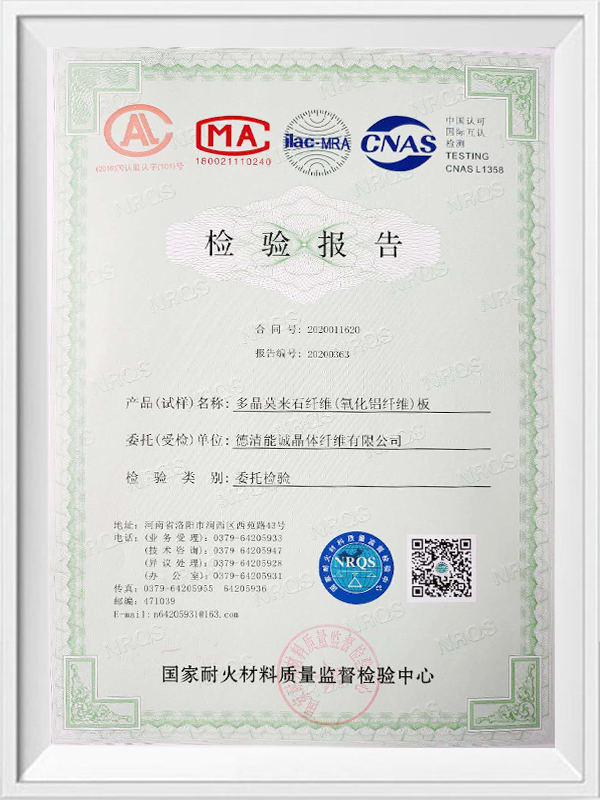
We implement ISO 9001 and CE quality management systems across our production lines. Each batch is inspected at multiple stages: raw material composition, fiber diameter, density, thermal conductivity, and reheating linear change. For finished products, we perform full inspections according to customer specifications and international standards.
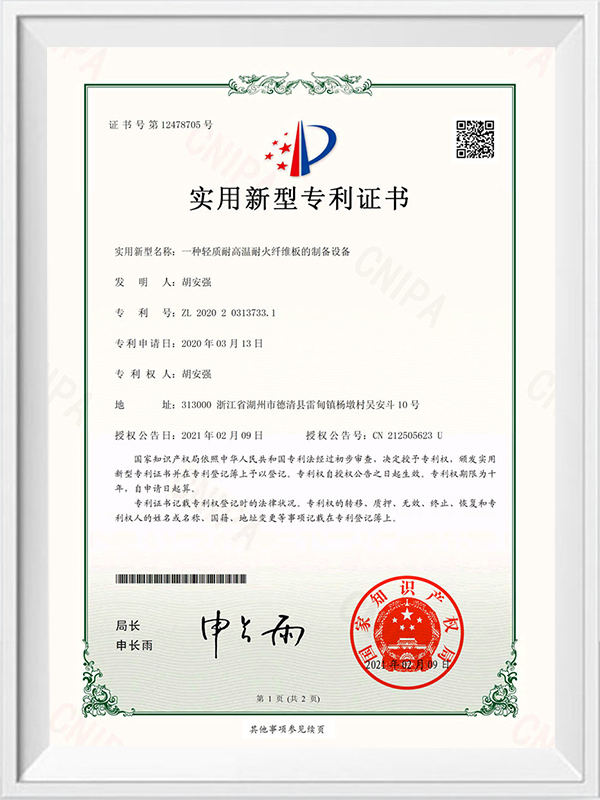
Our factory in Huzhou, Zhejiang, is equipped for serial production of fiber cotton, boards, blankets, and modules. We also hold utility model patents for specific insulation components, reflecting our focus on practical engineering improvements.
For large furnace lining projects, we provide installation guidance and can supply anchoring hardware, high-temperature adhesives, and surface coatings as part of a complete package.
To prepare a precise quotation and technical proposal, we need the following project data:
Send us your drawings or a simple sketch; our engineers will respond within 12 hours on business days with a material recommendation and a detailed offer.
Ceramic fiber insulation is designed for easy repair and replacement. We supply matching products for spot repairs, and our technical team can advise on patching procedures that minimize furnace downtime. For ongoing operations, we offer spare parts such as ceramic fiber ropes, adhesives, and anchoring clips.
Our service extends beyond the sale. We provide documentation including material test certificates, installation instructions, and safety data sheets. For international shipments, we use export-grade packaging to prevent moisture damage and fiber compression during transit.
Explore our ceramic fiber blankets and alumina ceramic fiber board for specific product details, or contact us directly with your project requirements.
What is the maximum temperature your insulation materials can withstand?
Our standard ceramic fiber cotton is rated up to 1600°C, and our polycrystalline mullite fiber products operate continuously at 1500–1700°C. For specific applications, we recommend the grade based on your furnace atmosphere and required service life.
Can you produce custom-shaped insulation parts from our drawings?
Yes. We manufacture ceramic fiber special-shaped products using vacuum forming and CNC cutting. Send us a 2D or 3D drawing, and we will provide a quotation including tooling if needed.
Do you provide installation guidance for furnace linings?
We supply detailed installation instructions and can offer remote technical support. For complex projects, we can also recommend local installation partners or provide on-site supervision depending on the scope.
What quality documentation do you provide with shipments?
Each shipment includes material test certificates, inspection reports, and certificates of conformity. We also provide safety data sheets and handling instructions for all fiber products.
How do you ensure consistent product quality across batches?
We follow ISO 9001 procedures and test raw materials and finished goods at every production stage. Key parameters like fiber diameter, density, and thermal conductivity are verified against our internal standards and your specifications.

An enterprise integrating design, R&D, production, sales and engineering services. High Temperature Thermal Insulation Materials Manufacturers and Vacuum Furnace Insulation Materials Factory.
Phone: +86-13967261180
+86-17858398898
Email: ncjt@zjncjt.com
Arlen@zjncjt.com
Tel: +86-572-8295956
Add: Wulintou, Tangbei Village, Leidian Town, Deqing Country, Huzhou City, Zhejiang Province, China
Copyright © 2024 Zhejiang Nengcheng Crystal Fiber Co., Ltd. All Rights Reserved.

 English
 Español
 عربى
عربى