



 English
 Español
 عربى
عربى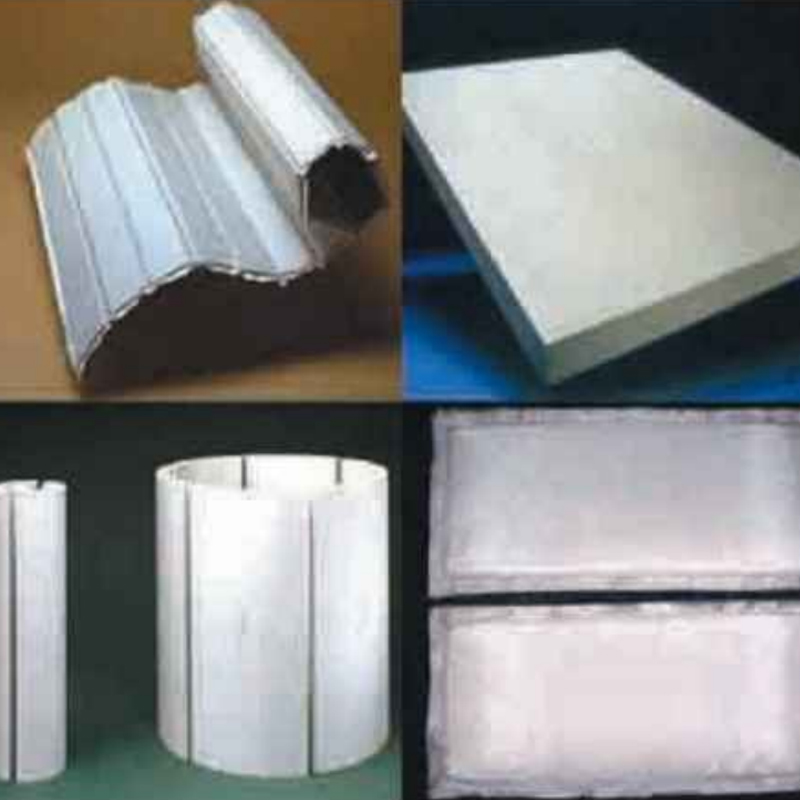
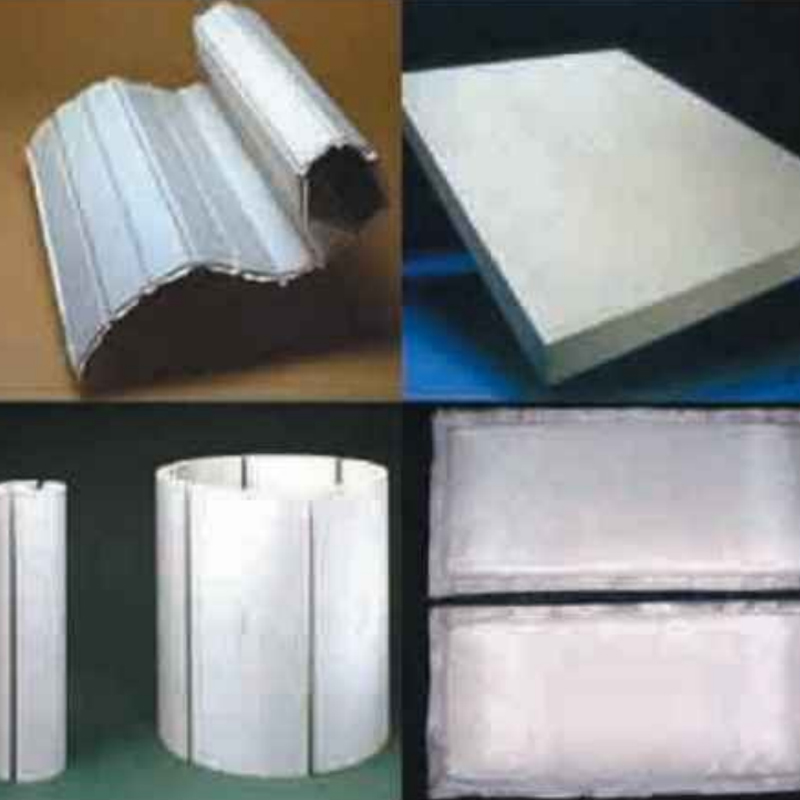
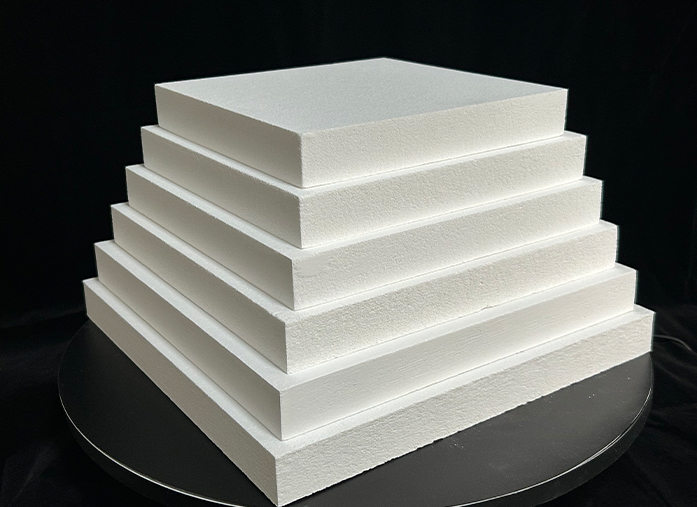
Nano Microporous Insulation Board
Nano-insulation composite materials are made by combining nanoporous materials with heat-shielding materials through a special process. Their thermal conductivity is only 114-1110% of that of conventional ceramic fiber insulation. Nano Microporous Insulation Board, a new material manufactured using the latest high-tech technology, is the best insulation material to date. Nanoboard is a high-strength insulation material with excellent thermal insulation properties, commonly used in areas requiring high-strength and high-efficiency insulation. The product comes in a sheet form and can be coated with various materials, such as aluminum foil or high-temperature cloth.
Product Features
High-temperature resistance
Low thermal conductivity
Environmentally friendly and safe
Low heat storage
Long service life
Applications
Steel and petrochemical industries
Ceramics and glass industries
Industrial furnaces
Power generation, household appliances, aerospace
A new alternative to traditional refractory and insulation materials


| Classification temperature (°C) | 1000 |
| Density (kg/m³) | 300-350 |
| Compressive strength at room temperature (MPa) | 0.7 |
| Permanent linear shrinkage% (800°C × 6h) | < 3.5% |
| Thermal conductivity (W/m·K) | 0.020(100°C) |
| 0.025(200°C) | |
| 0.028(400°C) | |
| 0.032(600°C) | |
| 0.037(800°C) |
-
A 20-tonne Acheson graphitization furnace can hold full power for 24 to 40 hours and then need five to seven days of cooling before anyone opens it. Peak temperature is the headline number, but cost per tonne is decided by three quieter things: the furnace type, the condition of the insulation, and the shape of the power profile. Two shops running the same 2800 °C schedule can differ by 30 percent in kilowatt-hours per tonne. The gap is usually not the transformer. It is compressed graphite fel...

