



 English
 Español
 عربى
عربى
Vertical Carbon Tube Furnace
This vertical vacuum carbon tube furnace uses graphite electrodes, which are connected to the graphite heating element by cylindrical contact. One end of each electrode extends out of the furnace through a seal. It is an important component that allows the current to pass to the heating element in the furnace. It is evenly heated and has good pressure resistance. There is a heat insulation screen device composed of multiple layers of radiation screens around the heating element. The inner layer of the furnace shell is stainless steel, and the outer layer is carbon steel. There is a water cooling system between the two layers. The shell temperature is <50℃, and high-temperature sintering can be achieved in a completely oxygen-free state. The furnace chamber uses ceramic alumina fiber, which has good thermal insulation performance and high cleanliness. It is widely used in the sintering preparation of inorganic materials (such as ceramic seals, silicon carbide, zirconium oxide, zinc oxide, aluminum dioxide, etc.) and metal materials (such as cemented carbide) in vacuum or protective atmosphere. It can also be used for the purification of rare earth elements and their oxides and sapphire annealing.


| Furnace size (mm) | Maximum temperature (°C) | Heating elements | Power(KW) | Voltage | Vacuum degree | Heating rate |
| φ80*100 | 2200°C | Graphite | 15 | 380V | 6.67*10-3PA | 1-20°C/MIN |
| φ160*300 | 30 | |||||
| φ200*300 | 40 | |||||
| φ240*400 | 48 |
-
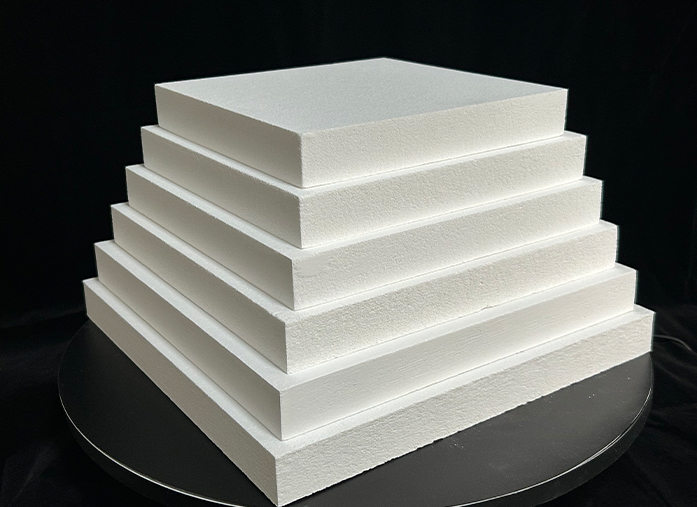
A furnace lining rarely fails because the furnace reached an impossible temperature. It usually fails because the refractory material was selected for the wrong mix of heat, chemistry, load, and thermal cycling. The symptoms are familiar: spalling on the hot face, open joints, corroded anchors, and a shell that quietly consumes gas or electricity for months. Short answer: choose furnace refractory material by failure mode first, temperature second, and price third. Ceramic fiber and lightweigh...

