



 English
 Español
 عربى
عربى
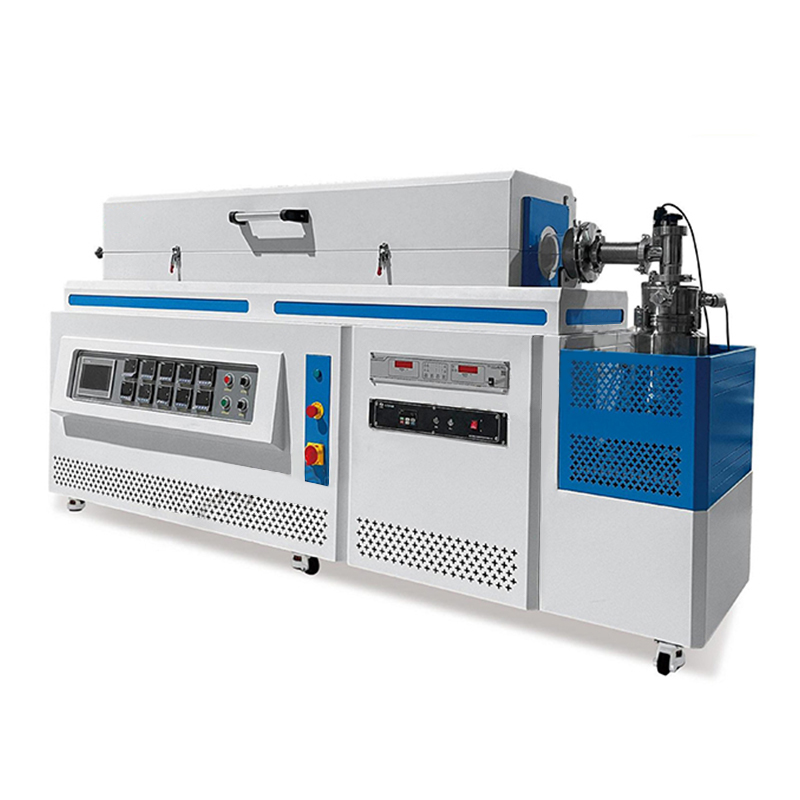
Bright Vacuum Annealing Furnace
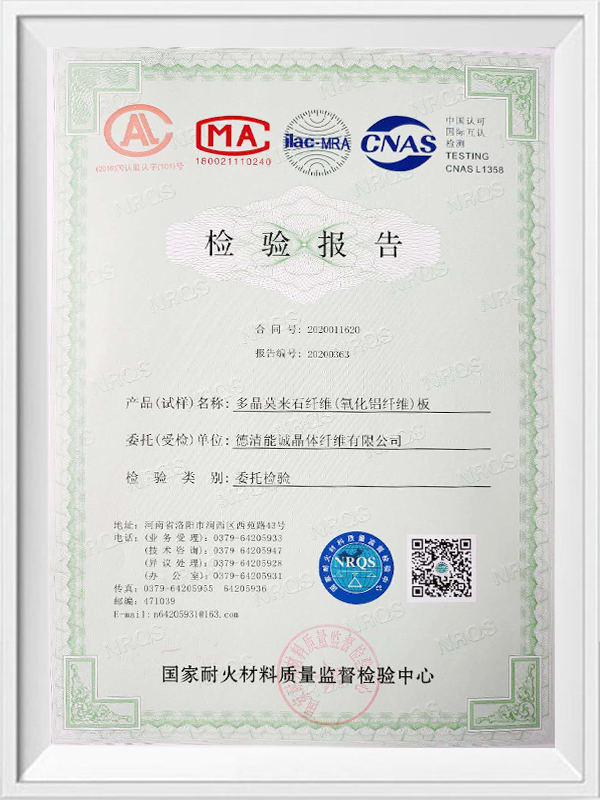
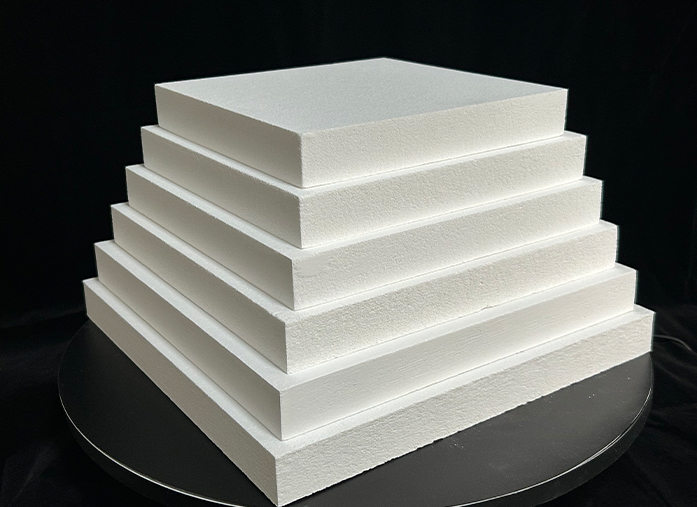
This tube furnace uses resistance wire as heating element, phase shift trigger, thyristor control, furnace chamber uses alumina polycrystalline fiber material, furnace tube uses high-purity quartz tube, both ends are sealed with stainless steel flanges, flanges are supported by stainless steel brackets, double-layer furnace shell is equipped with air cooling system, can quickly rise and fall temperature. This furnace has the advantages of a balanced temperature field, low surface temperature, fast temperature rise and fall rate, energy saving, etc. It is suitable for colleges and universities, scientific research institutes, industrial and mining enterprises to do high-temperature atmosphere sintering, atmosphere reduction, CVD experiments, vacuum annealing, etc.


| Furnace size (mm) | Operating temperature (°C) | Vacuum degree | Power (KW) | Voltage | Heating elements | Heating rate |
| φ60*2200 | 1100°C | 6.67*10-4PA | 20 | 380V | Resistance wire | 1-10°C/MIN |
| φ80*2200 | 20 | |||||
| φ100*2200 | 20 | |||||
| φ120*2200 | 26 | |||||
| φ200*2200 | 35 | |||||
| φ300* 2200 | 60 | |||||
| φ400*2200 | 90 |
-
A 20-tonne Acheson graphitization furnace can hold full power for 24 to 40 hours and then need five to seven days of cooling before anyone opens it. Peak temperature is the headline number, but cost per tonne is decided by three quieter things: the furnace type, the condition of the insulation, and the shape of the power profile. Two shops running the same 2800 °C schedule can differ by 30 percent in kilowatt-hours per tonne. The gap is usually not the transformer. It is compressed graphite fel...

