



 English
 Español
 عربى
عربى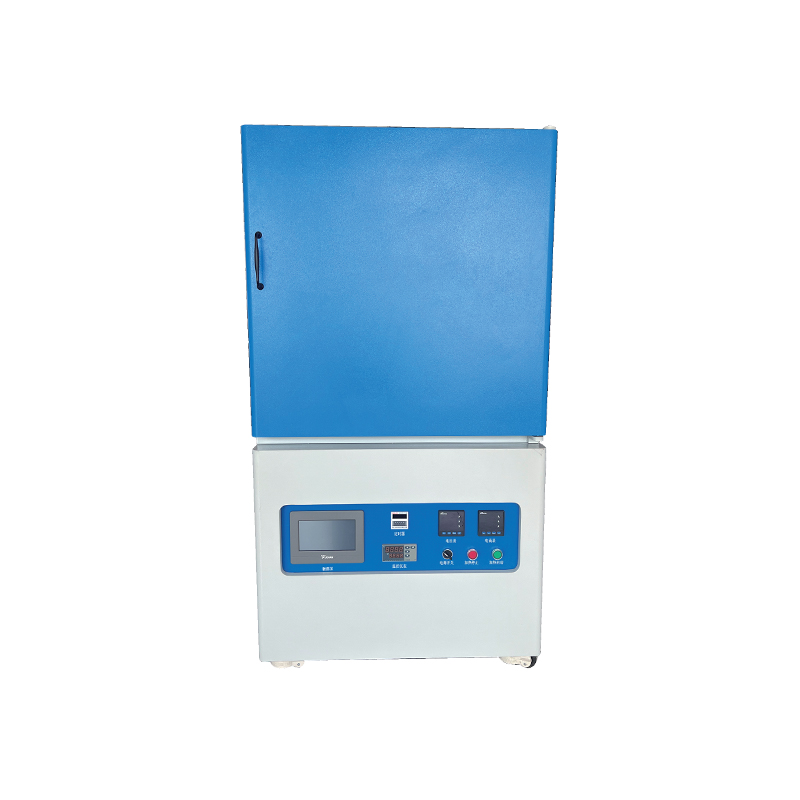
1500°C High Temperature Muffle Furnace
This high-temperature box-type furnace can reach a maximum temperature of 1500°C. It features a double-shell structure with an air cooling system. The furnace chamber is constructed of high-purity alumina fiber to minimize energy loss. The inner chamber surface is coated with a high-temperature alumina coating, which improves reflectivity and heating efficiency, while also extending the life of the instrument. Heating from both sides of the chamber ensures a fast heating rate and a uniform temperature field. The furnace door is equipped with a safety limit switch and a protective latch to prevent accidental opening and explosion.
Product Parameters:
· Maximum operating temperature: 1500°C (<0.5h)
· Continuous operating temperature: ≤1400°C
· Recommended heating rate: ≤10°C/min below 1400°C
· ≤5°C/min above 1400°C
· Heating element: Silicon carbon rod
· Thermocouple: S-type
· Temperature control accuracy: ±1°C
· Temperature control method: Includes an intelligent temperature controller with PID control and auto-tuning, intelligent 30-50 programmable control, and over-temperature and burnout alarms
· Certification standards and core components: ISO9001 and CE certification
· Core components include Chint and Schneider electrical components, UL-certified wire and cable, and Japanese, Yuden, and Eurofins instruments.


| Product Model | Power | Heating zone space | Voltage | Furnace size | Dimensions | Weight |
| XSL1500-1.9L | 2.5 KW | 1.9L | 220V | W125mm*H125mm*D125mm | 420mm*440mm*670mm | About 55KG |
| XSL1500-3.3L | 4 KW | 3.3L | 220V | W150mm*H150mm*H150mm | 540mm*540mm*750mm | About 75KG |
| XSL1500-8.6L | 6 KW | 8.6L | 220V | W205mm*H205mm*D205mm | 580m*m570mm*840mm | About 105KG |
| XSL1500-19.8L | 8 KW | 19.8L | 220V | W255mm*H255mm*D305mm | 650mm*680mm*940mm | About 135KG |
| XSL1500-36L | 10 KW | 36L | 380V | W300mm*H300mm*D400mm | 730mm*810mm*1630mm | About 280KG |

-
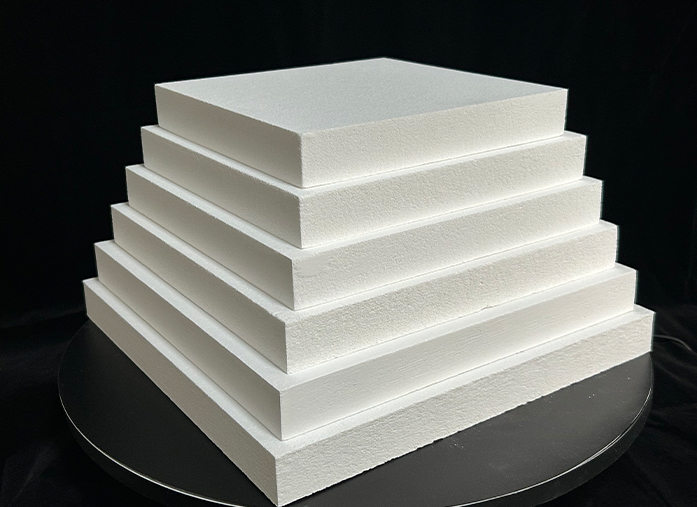
A furnace lining rarely fails because the furnace reached an impossible temperature. It usually fails because the refractory material was selected for the wrong mix of heat, chemistry, load, and thermal cycling. The symptoms are familiar: spalling on the hot face, open joints, corroded anchors, and a shell that quietly consumes gas or electricity for months. Short answer: choose furnace refractory material by failure mode first, temperature second, and price third. Ceramic fiber and lightweigh...

