
E-mail: ncjt@zjncjt.com


The core value of heat insulation cotton lies in its ability to trap air within its fibrous structure, slowing conductive and convective heat transfer. For most residential and commercial applications, fiberglass and mineral wool offer the best balance of cost and thermal resistance (R-value ranging from R-2.9 to R-3.8 per inch), making them the primary choice for builders aiming to meet modern energy codes without structural over-engineering.
Content
Heat insulation cotton is not a single material but a category of fibrous insulation. It typically encompasses fiberglass (spun molten glass), mineral wool (spun rock or slag), and natural cotton (recycled denim). The insulation mechanism is static air entrapment. By forcing heat to navigate a labyrinth of microscopic fibers, the material reduces the thermal conductivity (k-value) to as low as 0.032 W/m·K in high-density mineral wool batts.
Unlike rigid foam boards that rely on blowing agents, heat insulation cotton maintains its thermal performance over decades because the trapped air, the actual insulator, does not leak out. The primary failure mode is compression; if the "loft" is squashed, the R-value plummets proportionally.
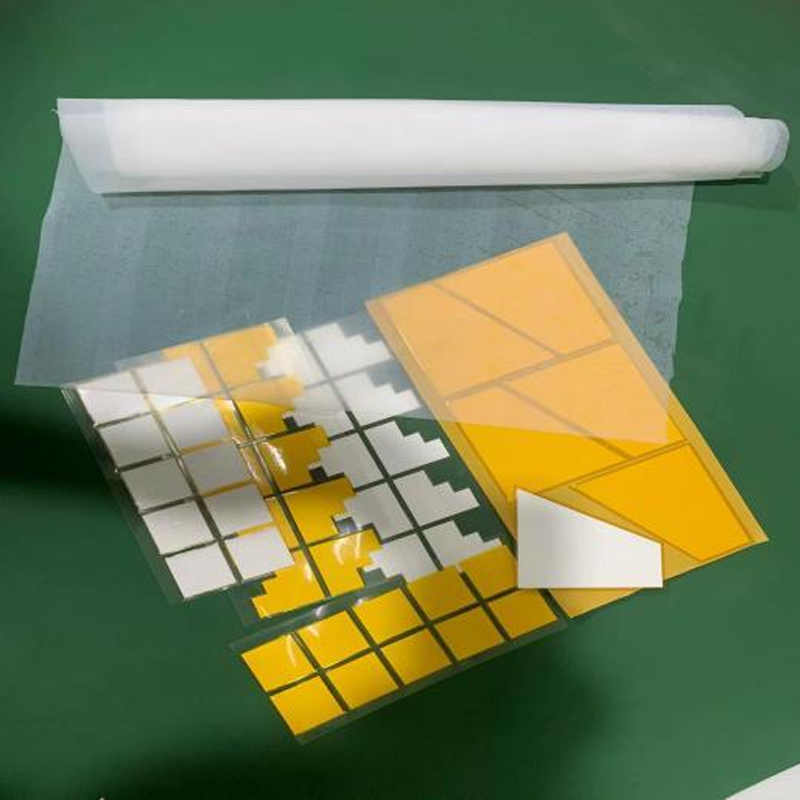
While both are sold as batts and rolls, their performance profiles diverge significantly in critical areas. Selecting the wrong type for a specific assembly can lead to moisture damage or fire safety risks.
| Property | Fiberglass | Mineral Wool |
|---|---|---|
| R-Value per Inch | R-2.9 – R-3.2 | R-3.3 – R-3.8 |
| Melting Point | ~540°C (1000°F) | ~1177°C (2150°F) |
| Water Absorption | Low (non-hygroscopic) | Hydrophobic (repels water) |
| Sound Absorption | Good | Excellent (higher density) |
The thermal effectiveness of heat insulation cotton collapses when wet. A laboratory study by the Oak Ridge National Laboratory demonstrated that a 1.5% increase in moisture content by volume can decrease thermal resistance by up to 35% in standard fiberglass batts. Because these materials are vapor-permeable, they dry quickly if airflow is maintained, but they can also harbor condensation if installed against a cold surface without a proper vapor retarder.
In heating-dominated climates (zones 5-8), the vapor barrier usually faces the interior warm side of the wall. In cooling-dominated, humid climates (zones 1-2), the impermeable layer faces the exterior, or better yet, the assembly is designed to dry to both sides. Getting this orientation wrong with a permeable insulation like cotton-based batts can trap moisture within the cavity, initiating mold growth on the organic fibers within a single seasonal cycle.
The highest laboratory R-value is meaningless if the installation is poor. The concept of "thermal bypass" describes air movement around or through the insulation, which can reduce the effective performance of a wall by over 30%, according to Energy Star field audits. Heat insulation cotton acts as an air filter, not an air barrier. If air leaks from a recessed light fixture into an attic, the moving air strips heat right off the fibers.
Professional installers must adhere to "Grade I" installation standards as defined by the RESNET Rating System:
Standard residential fiberglass batts have a low density (around 0.5 to 1.0 pounds per cubic foot) and rely entirely on the framing cavity for support. Over time, especially in attics where humidity fluctuates, these low-density batts can slump, creating a gap between the insulation and the drywall. This convective gap effectively short-circuits the thermal barrier.
High-density batts for 2x4 walls are manufactured to a density of 1.5 to 2.2 pounds per cubic foot. This "rigid" fiberglass or mineral wool achieves a higher R-value in the same cavity depth and maintains its shape permanently against gravity. For basements and crawlspaces, rigid mineral wool boards are preferred because they do not wick moisture from concrete foundations.
The porous, fibrous nature of heat insulation cotton makes it a sound absorber, converting acoustic energy into negligible heat through friction. The Noise Reduction Coefficient (NRC) quantifies this. A standard 3.5-inch fiberglass batt has an NRC of 0.90 to 1.00, meaning it absorbs almost all incident sound energy, though it does relatively little to block sound transmission (Sound Transmission Class, or STC).
For meaningful sound blocking in interior partitions, the mass and airtightness of the gypsum board layers, combined with the decoupling of the cavity fill, are critical. Mineral wool, being roughly three times denser than standard fiberglass, provides a slight improvement in mid-frequency transmission loss simply because it adds more mass to the cavity.
Concerns regarding off-gassing from formaldehyde binders have largely been resolved in major brands. Today's fiberglass batts are certified by GREENGUARD Gold and use bio-based, formaldehyde-free binders that off-gas at levels indistinguishable from the background environment. Natural cotton insulation, made from post-industrial denim scraps, is often touted as a "chemical-free" alternative, but it requires a relatively heavy application of borate flame retardants to achieve a Class 1 or Class A fire rating. These borates are non-toxic to humans but are water-soluble, making natural cotton a poor choice for damp locations unless fully encapsulated.
During installation, mineral wool generates a heavier, less respirable dust than fiberglass, but it is also less irritating to the skin and eyes. Standard personal protective equipment remains a respirator, gloves, and goggles for any fibrous insulation installation.
The installed cost of a fiberglass batt system ranges from $0.80 to $1.50 per square foot for R-13 walls, while mineral wool typically adds a premium of 25-40%. This premium is often justified in fire-rated assemblies or sound-sensitive applications. The economic return comes from reduced HVAC cycling. In a 2,000-square-foot attic, upgrading from R-19 to R-38 fiberglass batts might cost an additional $1,200 in materials but can save 10% to 15% on annual heating and cooling bills, yielding a payback period of three to seven years depending on local energy rates and climate severity.
Introduction: Aluminum silicate fiberboard material is currently a high-performance insulation material. Aluminum silicate fiberboard has excellent properties such as light w...
Introduction: Aluminum silicate refractory fiber products are made by selective processing of pyroxene, high-temperature melting, blow molding into fibers, solidification mol...
Introduction: 1、 Shaped ceramic fiber furnace lining for high alumina ceramic fiber board The shaped ceramic fiber furnace lining of high alumina ceramic fiber board mai...

An enterprise integrating design, R&D, production, sales and engineering services. Ceramic Fiber Board Manufacturers, Vacuum Heat Treatment Solutions in China
Phone: +86-13967261180
+86-17858398898
Email: ncjt@zjncjt.com
Arlen@zjncjt.com
Tel: +86-572-8295956
Add: Wulintou, Tangbei Village, Leidian Town, Deqing Country, Huzhou City, Zhejiang Province, China
Copyright © 2024 Zhejiang Nengcheng Crystal Fiber Co., Ltd. All Rights Reserved.

 English
 Español
 عربى
عربى