



 English
 Español
 عربى
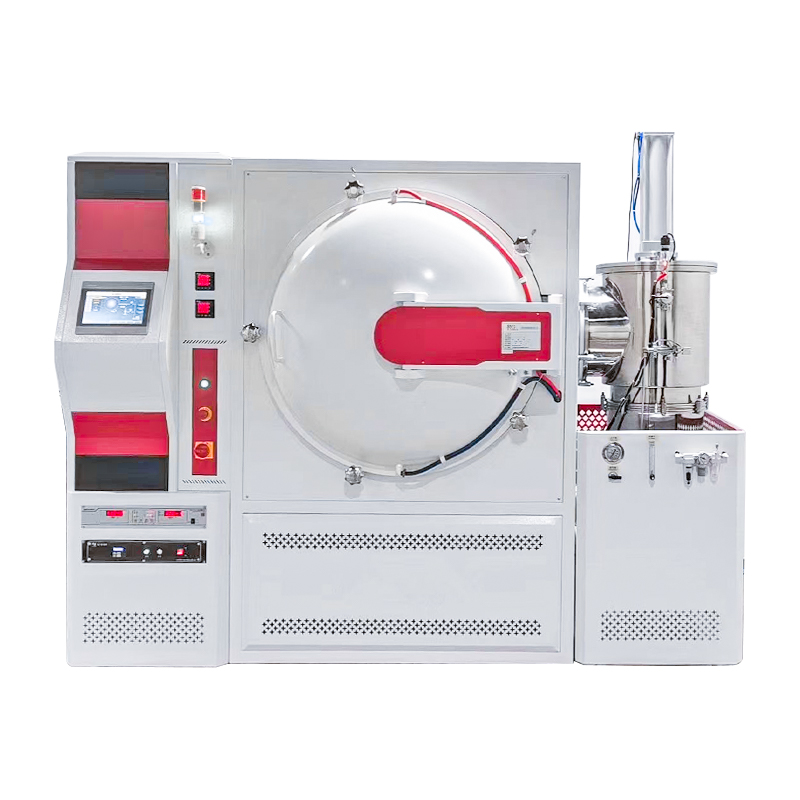
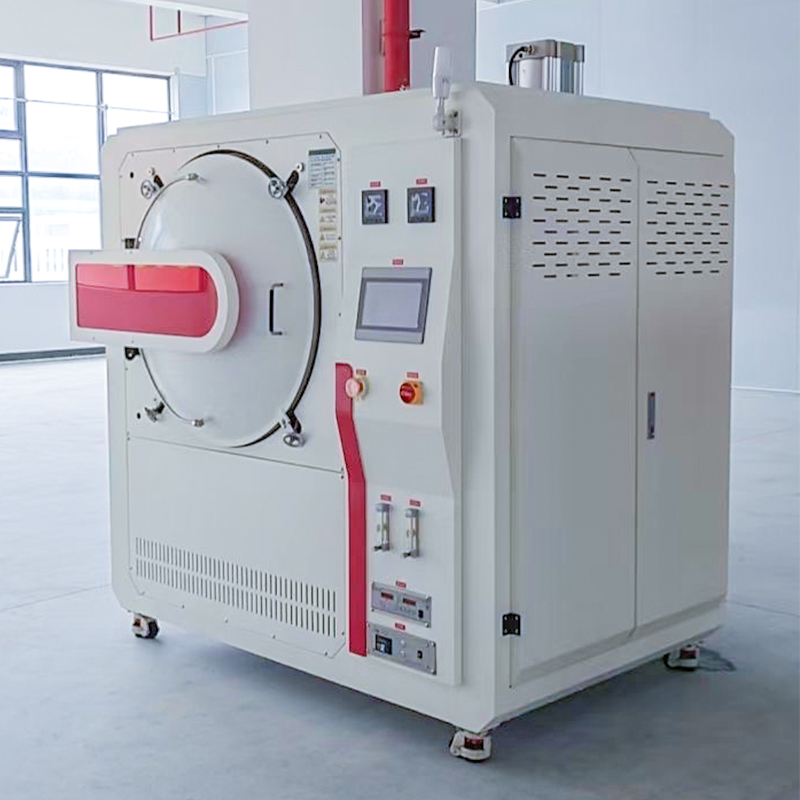
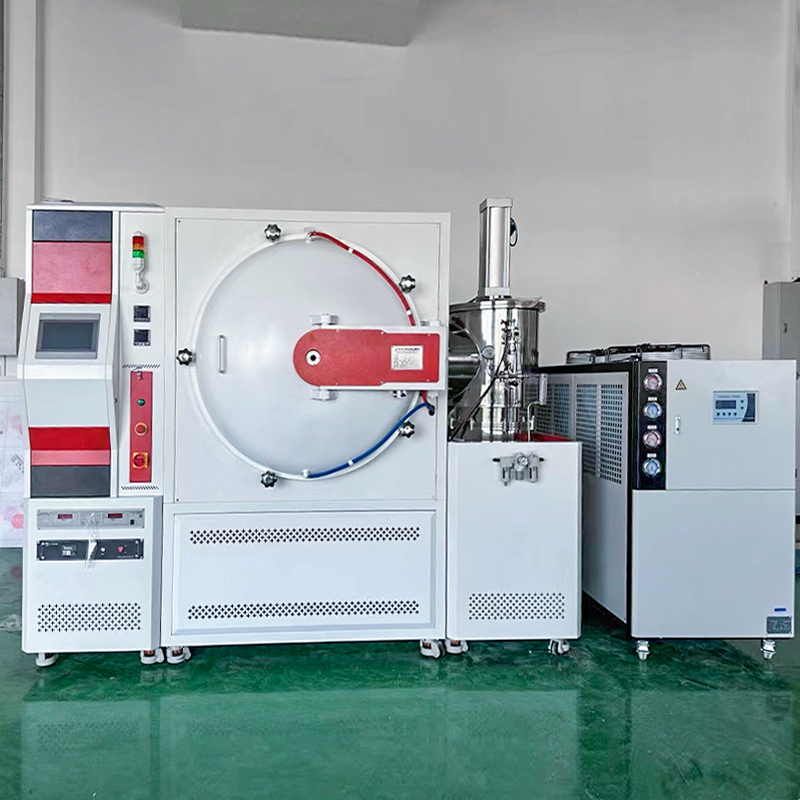
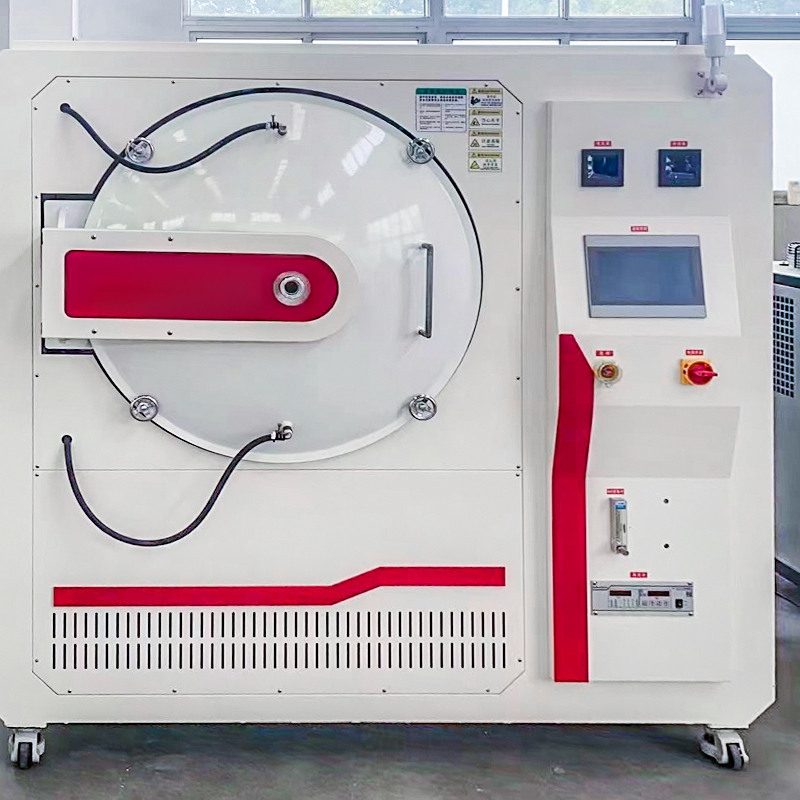
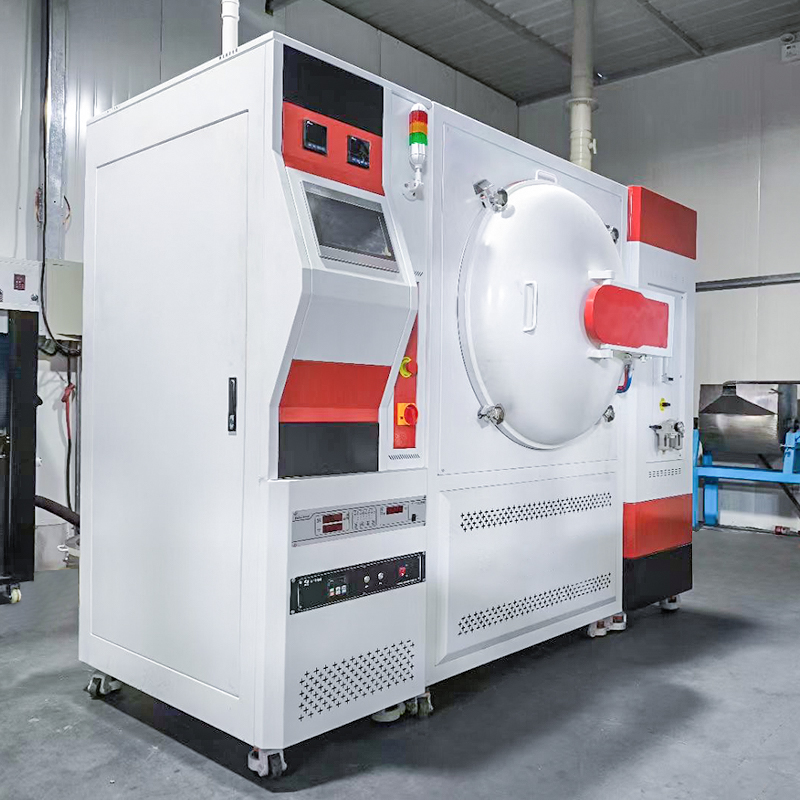
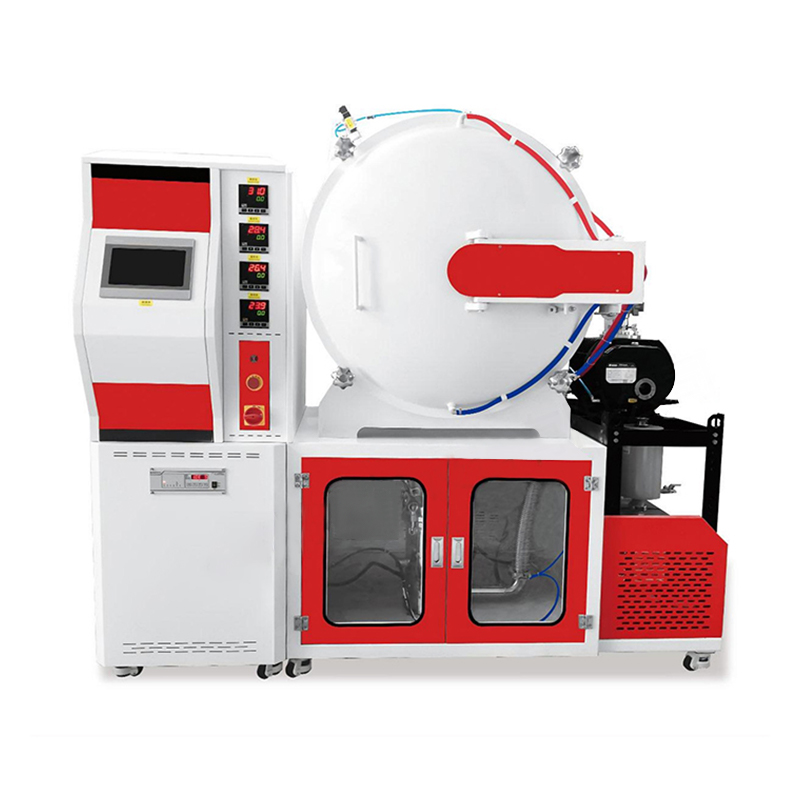
Low Temperature Vacuum Annealing Furnace
This equipment is a horizontal structure with a square structure in the middle of a circle, which can ensure high vacuum efficiency while also making the furnace resistant to deformation and durable. The finned metal tube is heated inside, and the heat is evenly distributed with a multi-layer heat insulation screen. The furnace uses a 304 stainless steel furnace and a carbon steel outer layer. The two layers are cooled with circulating water, which has a long service life. It is mainly used for ceramic firing, vacuum smelting, degassing of electric vacuum parts, annealing, brazing of metal parts, and ceramic-metal sealing.


Product Information
| Furnace size (mm) | Maximum temperature (°C) | Power(KW) | Voltage | Heating elements | Heating rate | Vacuum degree |
| 400*300*300 | 600°C | 9 | 380V | Spiked heating tube | 1-20°C/MIN | 10PA |
| 500*400*400 | 12 | |||||
| 600*500*500 | 18 | |||||
| 800*500*500 | 27 |
Contact Us
Zhejiang Nengcheng Crystal Fiber Co., Ltd.
Zhejiang Nengcheng Crystal Fiber Co., Ltd. was established in 2015. It is a professional enterprise that develops and produces ultra lightweight energy-saving high-temperature materials, and sells experimental electric furnaces, industrial electric furnaces, and non-standard customized electric furnaces. Professional Low Temperature Vacuum Annealing Furnace Manufacturers and Low Temperature Vacuum Annealing Furnace Factory. The company adheres to the principle of "survival through quality, development through reputation" and upholds the business philosophy of "practicality, integrity, and efficiency". We are committed to providing comprehensive and high-quality equipment solutions for customers in industries such as ceramics, metallurgy, electronics, glass, and chemical engineering. We also provide services such as powder roasting, ceramic sintering, and high-temperature experiments to universities, research institutes, and industrial and mining enterprises. At the same time, we are also striving to promote the strategic development of Nengcheng's lightweight, energy-saving, and environmentally friendly high-temperature alumina fiber in the field of new furnaces, and strive to become an internationally leading advanced high-temperature equipment industry service provider. Low Temperature Vacuum Annealing Furnace Custom.
Latest News
-
A seven-zone mesh belt furnace running at 1120 °C can hold ±3 °C across the belt and still ship parts with inconsistent hardness, because the dew point in the delubrication zone drifted after the belt speed was raised. That is the nature of powder metallurgy: the furnace is not a box that gets hot, it is a chemical reactor with a conveyor attached. The short answer: select a powder metallurgy furnace by the process window it must hold — delubrication profile, atmosphere quality, sintering tempe...

