
E-mail: ncjt@zjncjt.com


Vacuum furnaces are a specialized type of heat treatment equipment that operate under extremely low-pressure conditions, significantly reducing the presence of atmospheric gases such as oxygen and nitrogen. This controlled environment is essential for minimizing contamination and oxidation during high-temperature processes. By eliminating the exposure to air, vacuum furnaces prevent the formation of unwanted surface oxides and other impurities, which can compromise the mechanical properties, appearance, and overall quality of metals and alloys.
Content
In traditional heat treatment, metals are exposed to air, which contains oxygen, moisture, and other reactive gases. These elements can interact with the metal surface, leading to contamination that affects hardness, ductility, and corrosion resistance. Vacuum furnaces remove these reactive gases by creating a low-pressure environment, often below 1 × 10⁻³ torr, effectively preventing chemical reactions that cause surface defects. This environment also reduces the risk of carburization or nitriding from residual gases, preserving the intended chemical composition of the workpiece.
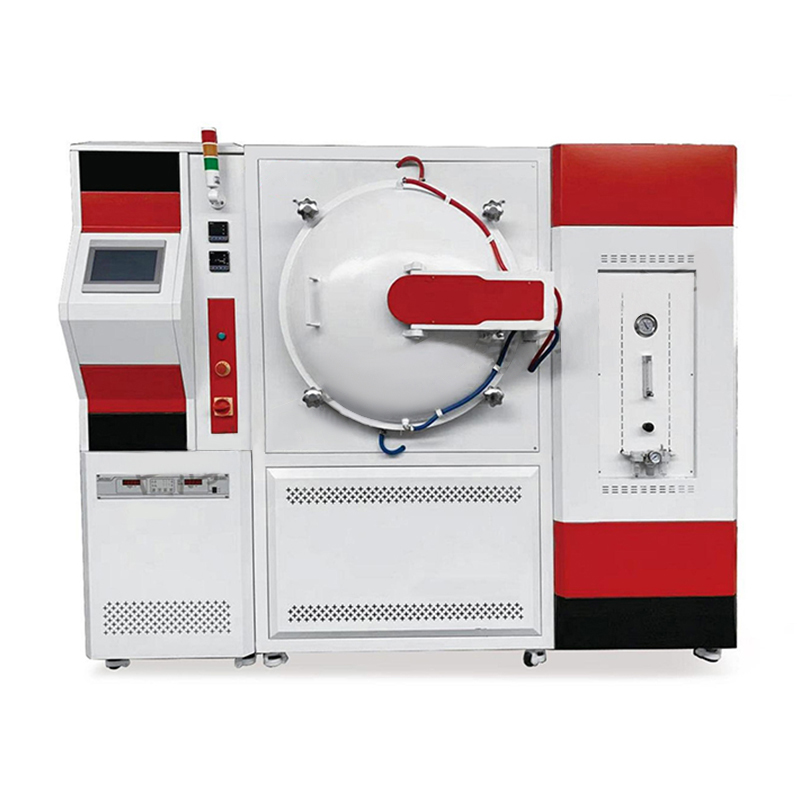
Oxidation occurs when metal surfaces react with oxygen at high temperatures, forming oxides that can weaken the material and negatively impact its appearance. In vacuum furnaces, the absence of oxygen prevents these reactions entirely. Additionally, some vacuum furnaces utilize inert gas backfilling, such as argon, to further stabilize the environment and provide additional protection against oxidation. This ensures that the workpiece retains its clean, shiny surface and intended chemical structure.
Industries requiring high-performance metal components rely heavily on vacuum furnaces to maintain material integrity. Aerospace and automotive manufacturers, for example, treat high-strength alloys in vacuum furnaces to ensure precise mechanical properties without oxidation-induced defects. Medical device production benefits from reduced contamination to guarantee biocompatibility and surface purity. Even electronics and tool manufacturing utilize vacuum heat treatment to achieve exacting tolerances and surface finishes without compromise.
Vacuum furnaces are indispensable for modern heat treatment processes where contamination and oxidation control are critical. By creating a low-pressure environment and sometimes combining it with inert gases, these furnaces ensure metal surfaces remain pure, free from oxides, and chemically stable. The result is improved mechanical performance, superior surface quality, and reliable material properties. For industries requiring high-precision components, vacuum furnaces offer a solution that balances efficiency, quality, and cost-effectiveness.
Introduction: Aluminum silicate fiberboard material is currently a high-performance insulation material. Aluminum silicate fiberboard has excellent properties such as light w...
Introduction: Aluminum silicate refractory fiber products are made by selective processing of pyroxene, high-temperature melting, blow molding into fibers, solidification mol...
Introduction: 1、 Shaped ceramic fiber furnace lining for high alumina ceramic fiber board The shaped ceramic fiber furnace lining of high alumina ceramic fiber board mai...

An enterprise integrating design, R&D, production, sales and engineering services. Ceramic Fiber Board Manufacturers, Vacuum Heat Treatment Solutions in China
Phone: +86-13967261180
+86-17858398898
Email: ncjt@zjncjt.com
Arlen@zjncjt.com
Tel: +86-572-8295956
Add: Wulintou, Tangbei Village, Leidian Town, Deqing Country, Huzhou City, Zhejiang Province, China
Copyright © 2024 Zhejiang Nengcheng Crystal Fiber Co., Ltd. All Rights Reserved.

 English
 Español
 عربى
عربى