
E-mail: ncjt@zjncjt.com


Content
Heating and cooling account for a significant portion of energy consumption in residential, commercial, and industrial buildings. Thermal insulation materials act as barriers that slow down the transfer of heat between the interior and exterior environments. By reducing heat loss in winter and heat gain in summer, these materials help maintain stable indoor temperatures, lower energy demand, and decrease utility costs. Understanding how different thermal insulation materials achieve this effect is crucial for selecting the most efficient solution for a given application.
Thermal insulation materials come in various forms, each with unique characteristics that influence energy efficiency. Choosing the right type depends on factors such as application area, climate, cost, and required thermal resistance.
Fiberglass is composed of fine glass fibers woven into mats or loose-fill forms. It traps air within its structure, reducing heat transfer by convection and conduction. Fiberglass insulation is widely used in walls, ceilings, and attics due to its affordability, ease of installation, and high R-value, which measures thermal resistance. Its performance is enhanced when installed without gaps or compression.
Foam-based insulation, including polyurethane, polystyrene, and spray foam, offers excellent thermal resistance with minimal thickness. Spray foam expands to fill cavities, creating an airtight seal that prevents drafts and thermal bridging. Rigid foam boards are often used for exterior walls, roofs, and under slabs. These materials reduce energy loss by combining low thermal conductivity with effective air sealing.
Mineral wool, derived from rock or slag, provides high thermal resistance and fire protection. Its dense fibrous structure traps air and resists heat flow. Mineral wool is commonly used in industrial applications, pipes, and acoustic insulation. Beyond energy savings, it contributes to building safety by providing flame-resistant barriers.
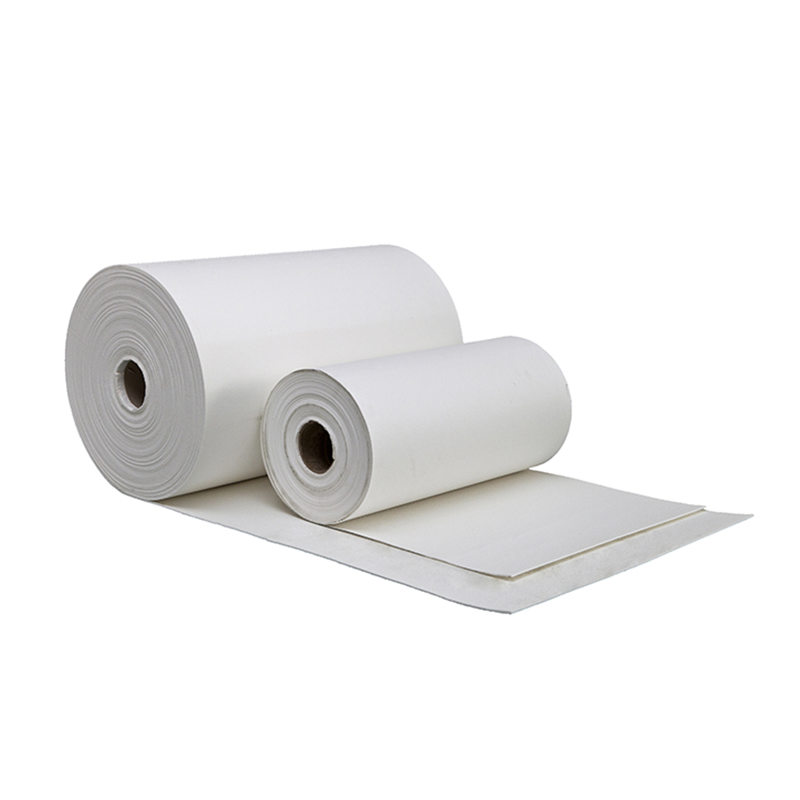
During colder months, heat naturally flows from the warmer interior to the cooler exterior. Thermal insulation slows this process, allowing heating systems to maintain desired indoor temperatures with less energy. The benefits include reduced fuel consumption, lower electricity bills for heat pumps, and increased comfort by minimizing cold spots and drafts.
Insulation installed in walls, roofs, and floors creates a continuous thermal barrier that prevents heat from escaping through conduction, convection, and radiation. Properly insulated windows and doors with thermal breaks further reduce heat loss. The cumulative effect is a more efficient heating system that operates for shorter periods, lowering operational costs.
Thermal insulation stabilizes indoor temperatures by buffering against outdoor fluctuations. This reduces the frequency of heating system cycles and avoids energy spikes during sudden temperature drops. Occupants experience consistent warmth without the need for continuous heating, directly translating into cost savings.
In warmer months, insulation prevents unwanted heat from entering interior spaces. By blocking solar heat gain and reducing thermal conduction, thermal insulation reduces the load on air conditioning systems. This leads to lower electricity consumption, less wear on cooling equipment, and a more comfortable indoor environment.
Reflective insulation materials, such as radiant barriers, reflect infrared radiation and reduce heat transfer through roofs and attics. These materials are especially effective in hot climates, where solar heat gain can significantly increase cooling energy use. When combined with traditional insulation, radiant barriers enhance overall thermal performance.
Insulation around windows, doors, and ductwork minimizes the entry of hot air into the building. Sealing gaps and adding insulated panels ensures that air conditioners do not work harder to maintain desired temperatures. This targeted application directly lowers energy consumption during summer months.
| Material | R-Value (per inch) | Typical Applications | Energy Savings Potential |
| Fiberglass | 2.2–4.3 | Walls, attics, ceilings | Moderate |
| Spray Foam | 3.5–6.5 | Cavities, roofs, walls | High |
| Mineral Wool | 3.0–3.3 | Industrial equipment, walls, pipes | Moderate–High |
| Reflective Foil | Varies | Attics, roofs, walls | High in hot climates |
Thermal insulation materials are a fundamental component of energy-efficient buildings and equipment. By minimizing heat loss in winter and heat gain in summer, they reduce heating and cooling costs, improve occupant comfort, and decrease environmental impact. Careful selection, proper installation, and regular maintenance of insulation materials ensure that the economic and energy-saving benefits are fully realized over the long term.
Introduction: Aluminum silicate fiberboard material is currently a high-performance insulation material. Aluminum silicate fiberboard has excellent properties such as light w...
Introduction: Aluminum silicate refractory fiber products are made by selective processing of pyroxene, high-temperature melting, blow molding into fibers, solidification mol...
Introduction: 1、 Shaped ceramic fiber furnace lining for high alumina ceramic fiber board The shaped ceramic fiber furnace lining of high alumina ceramic fiber board mai...

An enterprise integrating design, R&D, production, sales and engineering services. Ceramic Fiber Board Manufacturers, Vacuum Heat Treatment Solutions in China
Phone: +86-13967261180
+86-17858398898
Email: ncjt@zjncjt.com
Arlen@zjncjt.com
Tel: +86-572-8295956
Add: Wulintou, Tangbei Village, Leidian Town, Deqing Country, Huzhou City, Zhejiang Province, China
Copyright © 2024 Zhejiang Nengcheng Crystal Fiber Co., Ltd. All Rights Reserved.

 English
 Español
 عربى
عربى