
E-mail: ncjt@zjncjt.com


Content
Metal melting furnaces and induction furnaces are two widely used systems in metal foundries and industrial smelting operations. While both are designed to melt metals, they operate on fundamentally different principles and are optimized for specific applications. Understanding their differences is essential for selecting the appropriate furnace for a given metal, production scale, or energy efficiency requirement.
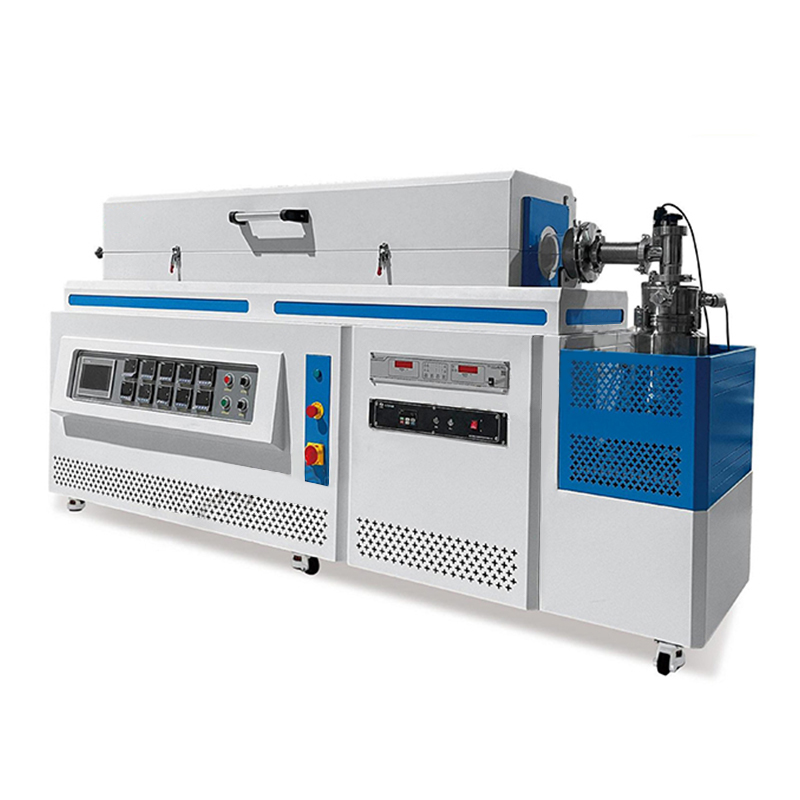
Traditional metal melting furnaces, such as cupola, crucible, or gas-fired furnaces, rely on direct heating methods. Fuel, such as coke, natural gas, or oil, is combusted to generate high temperatures that transfer heat to the metal through conduction, convection, and radiation. The molten metal is then poured into molds for casting or further processing. These furnaces are typically versatile and can handle large quantities of metal, but temperature control can be less precise compared to electric systems.
Induction furnaces operate on electromagnetic induction principles. An alternating current flows through a coil surrounding the metal charge, generating eddy currents inside the metal itself. The resulting resistive heating melts the metal without direct contact with combustion gases. Induction furnaces offer precise temperature control, fast melting rates, and a cleaner melting environment with minimal emissions.
Energy consumption and environmental considerations are critical factors when comparing these furnace types. Metal melting furnaces that rely on combustion often have lower fuel-to-metal efficiency and produce significant smoke, slag, and other emissions. In contrast, induction furnaces convert electrical energy directly into heat within the metal, resulting in lower energy losses and minimal pollutant generation. This makes induction furnaces preferable for environmentally sensitive or indoor operations.
Precise temperature control is essential for achieving consistent metal quality. Induction furnaces excel in this regard, offering the ability to maintain exact temperatures suitable for high-alloy steels, non-ferrous metals, and specialty alloys. Conventional metal melting furnaces may experience uneven heat distribution, potentially affecting metal homogeneity and increasing the risk of inclusions or defects.
Metal melting furnaces can handle large volumes of metal per batch, making them suitable for high-capacity foundries and mass-production environments. Induction furnaces are generally preferred for smaller to medium-scale operations or applications requiring frequent alloy changes, as they allow rapid charging and melting cycles. The choice depends on balancing batch size, production frequency, and operational flexibility.
Both furnace types can melt a variety of metals, but certain materials are better suited to one system over the other. Metal melting furnaces are often used for ferrous metals like cast iron and steel, while induction furnaces excel at melting non-ferrous metals such as aluminum, copper, and specialty alloys. The non-contact heating in induction furnaces reduces oxidation and contamination, which is particularly beneficial for high-purity metals.
| Feature | Metal Melting Furnace | Induction Furnace |
| Heating Method | Combustion (fuel-fired) | Electromagnetic induction |
| Temperature Control | Moderate, less precise | High, precise |
| Energy Efficiency | Lower, fuel losses | Higher, direct metal heating |
| Emission & Environment | Higher emissions, smoke | Low emissions, cleaner operation |
| Material Suitability | Mostly ferrous metals | Ferrous and non-ferrous metals, high-purity alloys |
| Production Scale | Large batch, continuous operation | Small to medium batch, flexible operation |
Selection between a metal melting furnace and an induction furnace depends on the type of metal, production scale, and desired process control. Metal melting furnaces are preferred for high-volume cast iron and steel operations, where large quantities are melted efficiently. Induction furnaces are ideal for non-ferrous metals, precision alloys, and smaller-scale production requiring tight temperature control, low emissions, and cleaner operations.
Introduction: Aluminum silicate fiberboard material is currently a high-performance insulation material. Aluminum silicate fiberboard has excellent properties such as light w...
Introduction: Aluminum silicate refractory fiber products are made by selective processing of pyroxene, high-temperature melting, blow molding into fibers, solidification mol...
Introduction: 1、 Shaped ceramic fiber furnace lining for high alumina ceramic fiber board The shaped ceramic fiber furnace lining of high alumina ceramic fiber board mai...

An enterprise integrating design, R&D, production, sales and engineering services. Ceramic Fiber Board Manufacturers, Vacuum Heat Treatment Solutions in China
Phone: +86-13967261180
+86-17858398898
Email: ncjt@zjncjt.com
Arlen@zjncjt.com
Tel: +86-572-8295956
Add: Wulintou, Tangbei Village, Leidian Town, Deqing Country, Huzhou City, Zhejiang Province, China
Copyright © 2024 Zhejiang Nengcheng Crystal Fiber Co., Ltd. All Rights Reserved.

 English
 Español
 عربى
عربى