
E-mail: ncjt@zjncjt.com


Content
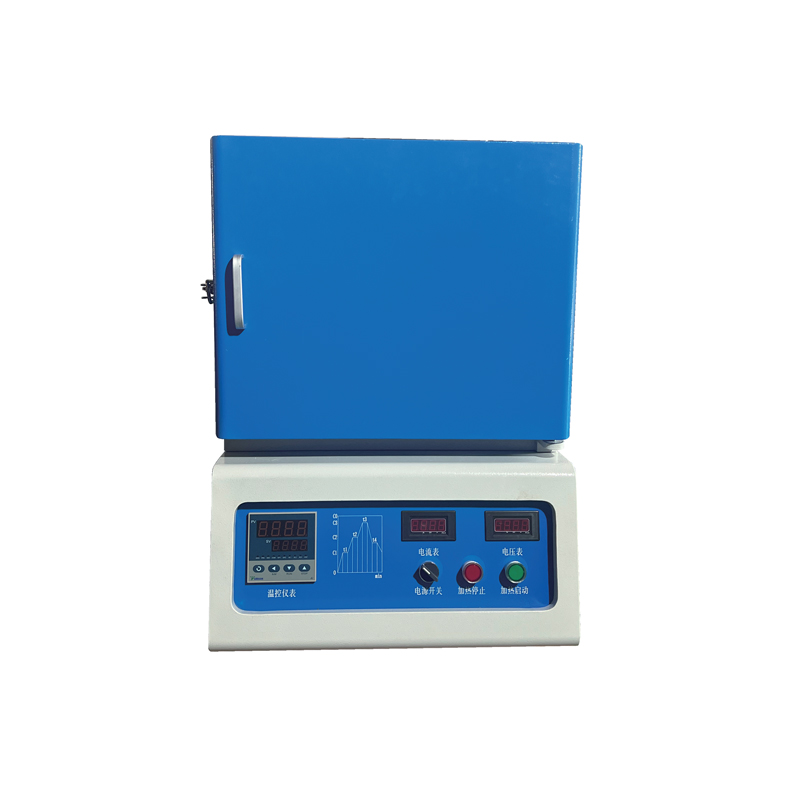
A high temperature muffle furnace is engineered to achieve stable and uniform heating at temperatures typically ranging from 1200°C to 1800°C. The core structure consists of an insulated chamber lined with refractory materials that withstand extreme thermal stress. The muffle chamber isolates samples from direct flame or combustion gases, ensuring clean and contamination-free heating conditions.
The outer casing is usually constructed from powder-coated steel for mechanical protection, while the inner chamber is formed using high-purity alumina fiber boards or lightweight refractory bricks. This layered structure reduces external heat loss and maintains energy efficiency. A sealed door with high-temperature-resistant gaskets prevents heat leakage and stabilizes internal temperature during operation.
The heating elements determine the furnace’s maximum operating temperature and longevity. Common materials include Kanthal (FeCrAl alloy), silicon carbide (SiC), and molybdenum disilicide (MoSi2). Each material is selected based on target temperature range, oxidation resistance, and heating efficiency.
For applications exceeding 1600°C, MoSi2 elements are preferred due to their ability to form a protective silica layer at high temperatures. Silicon carbide elements offer rapid heating rates and uniform distribution, making them suitable for laboratory sintering and materials testing. The placement of heating elements around the chamber ensures consistent temperature distribution and minimizes thermal gradients.
| Heating Material | Max Temperature | Heating Speed | Typical Application |
| Kanthal (FeCrAl) | 1400°C | Moderate | Ashing and general lab use |
| Silicon Carbide | 1600°C | Fast | Sintering and ceramics |
| Molybdenum Disilicide | 1800°C | Very Fast | Advanced material research |
Precise temperature control is critical in a high temperature muffle furnace. Modern systems use PID digital controllers to regulate heating cycles with high accuracy. Thermocouples such as Type K, S, or B are installed inside the chamber to monitor real-time temperature data.
Programmable controllers allow users to set multi-stage heating profiles, including ramp rates, dwell times, and controlled cooling cycles. This functionality is essential for processes such as calcination, sintering, and thermal decomposition, where temperature consistency directly affects material properties.
High temperature muffle furnaces are widely used in laboratories, research institutions, and industrial facilities. In materials science, they support ceramic sintering, metal heat treatment, and powder metallurgy experiments. In chemical laboratories, they are applied for ashing, calcination, and thermal gravimetric analysis preparation.
In quality control environments, muffle furnaces assist in determining loss on ignition (LOI) and residue analysis. Their ability to maintain uniform heating ensures repeatable experimental results and reliable material testing outcomes.
Proper installation is essential for safe and efficient furnace operation. The equipment should be placed on a stable, heat-resistant surface with adequate ventilation clearance. Electrical connections must comply with rated voltage and current specifications to prevent overload.
Operators should avoid opening the furnace door at high temperatures to prevent thermal shock. Regular inspection of heating elements and thermocouples ensures consistent performance. Safety systems such as automatic shutdown during overheating protect both personnel and equipment.
Routine maintenance extends the lifespan of a high temperature muffle furnace. Cleaning residual materials from the chamber prevents contamination and structural degradation. Heating elements should be inspected for oxidation or breakage and replaced when necessary.
Calibration of temperature sensors maintains measurement accuracy over time. Monitoring insulation integrity helps preserve thermal efficiency and reduce energy consumption. With proper maintenance and controlled operating conditions, high temperature muffle furnaces provide reliable long-term performance in demanding thermal applications.
Introduction: Aluminum silicate fiberboard material is currently a high-performance insulation material. Aluminum silicate fiberboard has excellent properties such as light w...
Introduction: Aluminum silicate refractory fiber products are made by selective processing of pyroxene, high-temperature melting, blow molding into fibers, solidification mol...
Introduction: 1、 Shaped ceramic fiber furnace lining for high alumina ceramic fiber board The shaped ceramic fiber furnace lining of high alumina ceramic fiber board mai...

An enterprise integrating design, R&D, production, sales and engineering services. Ceramic Fiber Board Manufacturers, Vacuum Heat Treatment Solutions in China
Phone: +86-13967261180
+86-17858398898
Email: ncjt@zjncjt.com
Arlen@zjncjt.com
Tel: +86-572-8295956
Add: Wulintou, Tangbei Village, Leidian Town, Deqing Country, Huzhou City, Zhejiang Province, China
Copyright © 2024 Zhejiang Nengcheng Crystal Fiber Co., Ltd. All Rights Reserved.

 English
 Español
 عربى
عربى