
E-mail: ncjt@zjncjt.com


Content
Vacuum heat treatment is an advanced metallurgical process used to improve the mechanical properties and durability of industrial components. By heating materials in a vacuum environment, oxidation and contamination are minimized, resulting in precise and consistent material performance. This technique is widely applied in industries such as aerospace, automotive, tool manufacturing, and electronics.
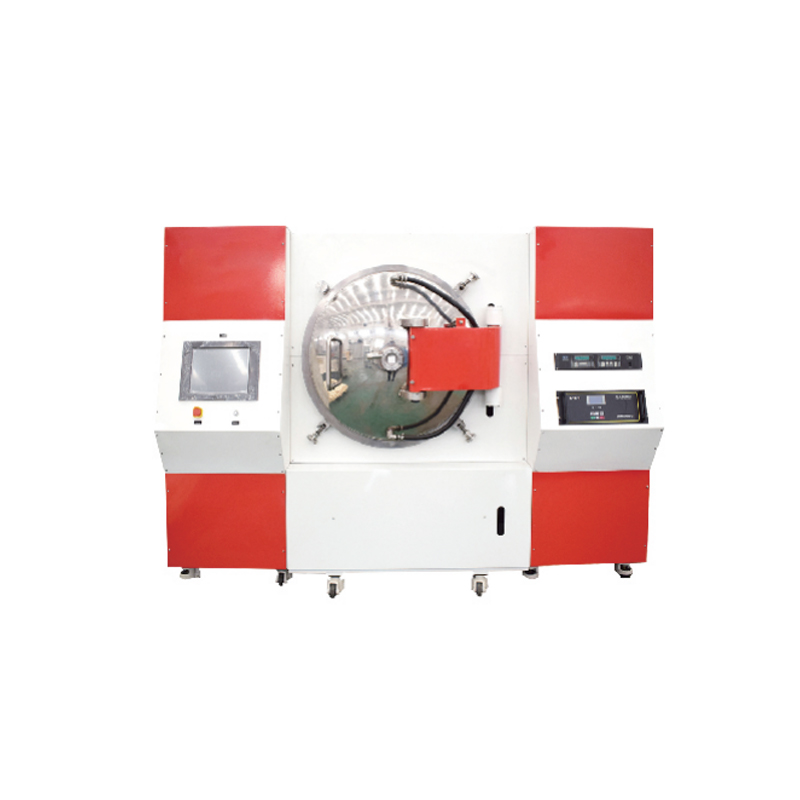
One of the primary advantages of vacuum heat treatment is its ability to significantly enhance material strength and hardness. The controlled environment allows for uniform heating and cooling, reducing residual stresses and improving the structural integrity of components.
The vacuum environment effectively prevents oxidation, decarburization, and contamination, which are common problems in traditional heat treatment processes. This ensures the surface quality and chemical composition of industrial components remain intact.
Vacuum heat treatment is more energy-efficient compared to traditional methods due to reduced heat loss and faster processing times. Additionally, the process minimizes harmful emissions, supporting sustainable manufacturing practices.
Vacuum heat treatment can be applied to a wide range of metals and alloys, making it suitable for multiple industrial applications. This versatility allows manufacturers to treat components with varying hardness, size, and complexity.
Industries requiring high-performance components widely adopt vacuum heat treatment due to its reliability and precision. The enhanced mechanical properties of treated components contribute to operational safety, longevity, and efficiency.
Vacuum heat treatment offers significant advantages for industrial components, including enhanced strength, uniform hardness, reduced oxidation, energy efficiency, and versatility across multiple materials. By adopting this advanced process, manufacturers can ensure the reliability, performance, and longevity of critical components while supporting sustainable production practices. Choosing vacuum heat treatment allows industries to maintain high-quality standards and achieve consistent results across a wide range of applications.
Introduction: Aluminum silicate fiberboard material is currently a high-performance insulation material. Aluminum silicate fiberboard has excellent properties such as light w...
Introduction: Aluminum silicate refractory fiber products are made by selective processing of pyroxene, high-temperature melting, blow molding into fibers, solidification mol...
Introduction: 1、 Shaped ceramic fiber furnace lining for high alumina ceramic fiber board The shaped ceramic fiber furnace lining of high alumina ceramic fiber board mai...

An enterprise integrating design, R&D, production, sales and engineering services. Ceramic Fiber Board Manufacturers, Vacuum Heat Treatment Solutions in China
Phone: +86-13967261180
+86-17858398898
Email: ncjt@zjncjt.com
Arlen@zjncjt.com
Tel: +86-572-8295956
Add: Wulintou, Tangbei Village, Leidian Town, Deqing Country, Huzhou City, Zhejiang Province, China
Copyright © 2024 Zhejiang Nengcheng Crystal Fiber Co., Ltd. All Rights Reserved.

 English
 Español
 عربى
عربى